BDAR

Zemaitija National Park

56.042, 21.815
How to get?
  • plateliu-ezerynas-su-salomis-ir-pusiasaliais-5d31d25de8ad3.jpg
  • plateliu-ezerynas-su-salomis-ir-pusiasaliais-5d31d25ecd45a.jpg
  • plateliu-ezerynas-su-salomis-ir-pusiasaliais-5d31d262bf7b4.jpg
  • plateliu-ezerynas-su-salomis-ir-pusiasaliais-5d31d26191015.jpg
  • saltojo-karo-muziejus-5d31dfe87cf2b.jpg
  • saltojo-karo-muziejus-5d31dfe566324.jpg
  • saltojo-karo-muziejus-5d31dfee5a13d.jpg
  • saltojo-karo-muziejus-5d31e1d45fec9.jpg
  • siberijos-apzvalgos-bokstas-5d31e25f2797e.jpg
  • zemaiciu-kalvarijos-piliakalnis-5d31de44e2a5a.jpg
  • plateliu-dvaro-sodyba-5d31d432131cf.jpg
  • plateliu-dvaro-sodyba-5d31dc0aa4478.jpg
  • plateliu-dvaro-sodyba-5d31d43d5140a.jpg
  • plateliu-ezerynas-su-salomis-ir-pusiasaliais-5d31d3803aa35.jpg
  • raganos-uosis-5d31d2a96a885.jpg

Data

Year of establishment

1991 year

Area

21753 he.

Regional park group


Ph. No.
Email
http://zemaitijosnp.lt/

Objectives of the establishment

Žemaitija (Samogitia) National Park has been established to protect:

  • The largest lakes and forest nature complex in the Žemaitija region, the scientifically important forested swamplands of Plokštinė and Rukundžiai, Plateliai Lake, the hydrographical complexes of Laumalenka and Šilinė, the impressive moraine (Miktyvai and Pučkoriai) and kame (Šarnelė, Jazdauskiškiai and Grigaičiai) landscapes typical of this region, Gardai esker, Medsėdžiai and Liepija glaciolacustrine kames, the Babrungas and Mergupys valleys, the Paburgė, Siberija, Pakastuva, Užpelkiai, Ertenys and Paparčiai wetlands, the unique Paplatelė, Šeirė and Pailgys forests, the biotic communities of the Juodupys wet grasslands, rare and disappearing species of flora and fauna, as well as other natural complexes and objects.
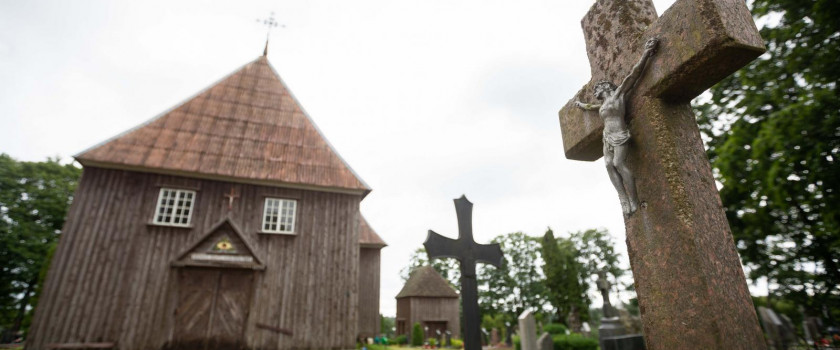
  • The particularly valuable and elaborate archeological complex of the north Žemaitija region featuring the Mikytai, Šarnelė, Pučkoriai, Gegrėnai, Pagardenys and other castle mounds and ancient ritual hills, the ancient Šventorkalnis settlement and castle site, the Žemaičių Kalvarija (Gardai) urban complex and religious architecture ensemble, the Plateliai manor and park complex, the villages of Beržoras, Stribaičiai and Visvainiai that have retained elements of great ethnocultural value, as well as other cultural heritage objects;
  • The stability of the north western Žemaitija region‘s watershed ecosystem, its biotic components and their diversity.  

Unique value

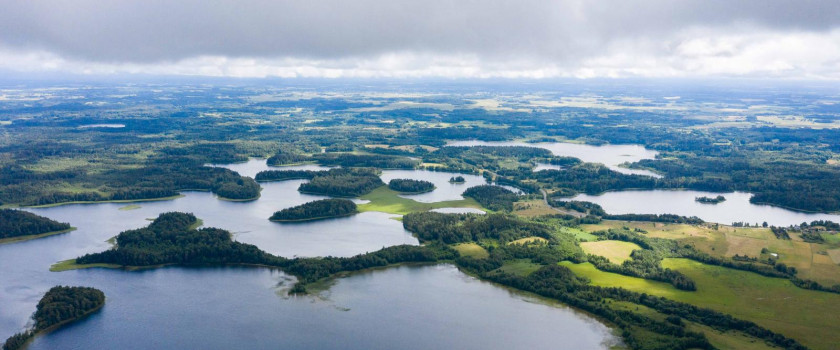
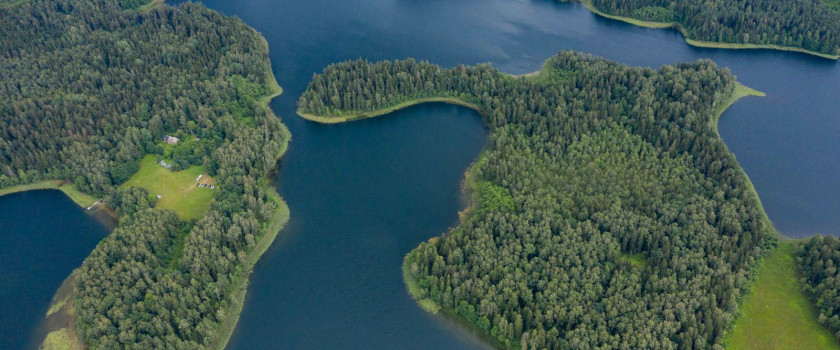
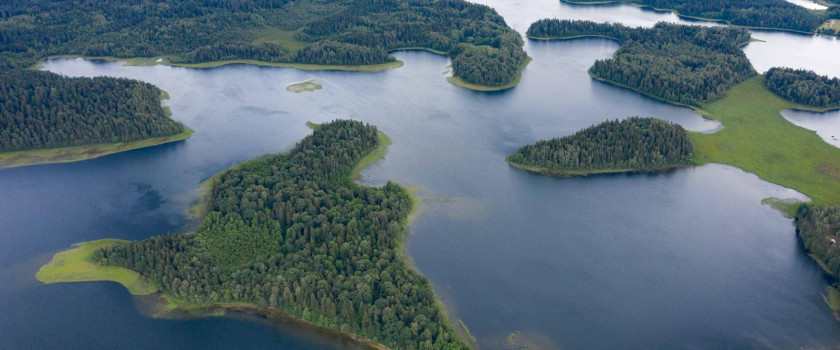
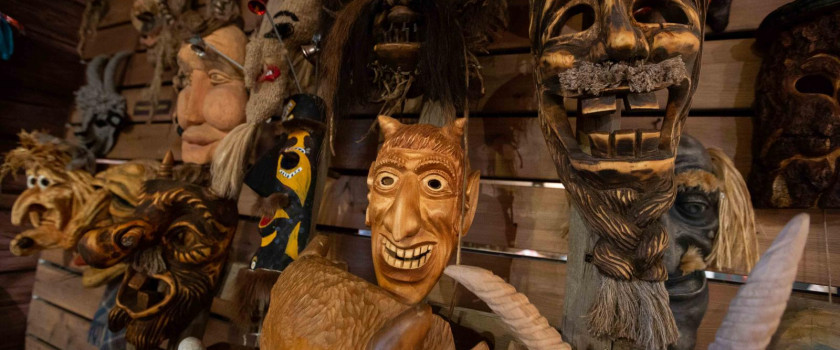
Almost the entire life in the Žemaitija (Samogitia) National Park is centered around the Plateliai Lake. It is the deepest, largest and probably the most beautiful lake in Samogitia with islands, peninsulas, bays, surrounded by hillsides and forests. It is home to the relict fish Coregonus lavaretus holsatus. The national park is rich with dense, shady spruce forests, natural old conifer and mixed tree forest. The abundance of castle mounds, sacred hills and sacred places are the reminders of the old culture. The small chapels and road shrines scattered by the roads and in the fields reflect the lifestyle and traditions of the local people. The old customs are especially emphasized during the traditional Shrovetide festival.

The park is dominated by hill, ridge- rich relief, deep lake waterholes, including the deepest in Žemaitija Plateliai Lake with the cobweb of shoals, islands, and peninsulas. The Plateliai Lake as well as other lakes and rivers are surrounded by forests and wetlands.

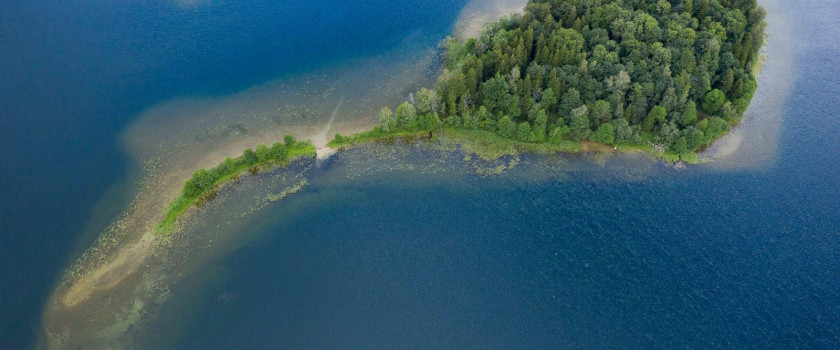
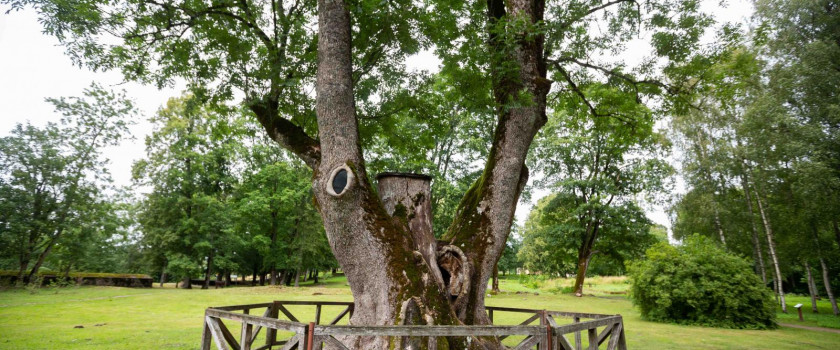
The National Park is distinguished by its legendary natural heritage objects: seven islands of Plateliai Lake, Kreiviškės and Auksala peninsulas, and the mysterious islands of Beržoras and Ilgis Lakes. The national park is rich with dense, shady spruce forests, natural old conifer and mixed tree forests also called the Western Taiga. The latter are protected in the entire Europe. Wetlands are rich with various species of organisms. Raganos Ash Tree is the thickest ash tree in Lithuania. In the national park, there are nesting places of the protected in Europe rare bird species (Bonasa bonasia, Crex crex, and Cygnus cygnus), and also relict plant species from the glacial period. Plateliai Lake is home to the relict fish Coregonus lavaretus holsatus. The cultural heritage of the National Park consists of castle mounds, ancient shrines (sacred hills), burial sites, and sites of ancient settlements. Among the most interesting are the Užpelkiai, Gegrėnai, Pūčkoriai, Jazdauskiškiai, Grigaičiai, St. John’s (Žemaičių Kalvarija), Šarnelė, Mikytai castle mounds; the Visvainiai, Mikytai, Vilkai, Gilaičiai, Paparčiai sacred hills, sites of ancient settlement in Gegrėnai and Šarnelė. Standing out with architectural uniqueness are the Žemaičių Kalvarija Church, and Babrungėnai Mill. 

Landcape

This is a national park of a complex landscape structure characterised by exclusive uniqueness and abundance of the natural and cultural heritage objects as well as large recreational and educational tourist potential. It represents the landscape of Samogitia upland hill massifs, wetland massifs, the most distinctive in Samogitia the Plateliai (Virkšta) lake, and the settlements of Plateliai, Beržoras and Gardai (Žemaičių Kalvarija) which have retained their historical-urban value. The Samogitia National Park is classified under the top category from the perspective of exceptional value of the landscape. The landscape diversity of the Samogitia National Park has been created by the following major landscape types: large terraced forested and little cultivated lake waterhole, forested and little cultivated lakes, forested kame hill fields, forested kame terraces, forested and cultivated hill massifs and ridges, forested drumlinized morainic hill massifs, forested morainic small hill strip; transition, mixed and raised bog complexes, forested erosional valleys and slopes, wetland laky waterholes, natural and channeled streams, ethno-cultural settlements, standard settlements and former military complexes.

Biological diversity

Territories of the European Community importance found in the Žemaitija National Park: 3140 Hard oligo-mesotrophic waters with benthic vegetation; 3150 Natural eutrophic lakes with Magnopotamion or Hydrocharition – type vegetation; 3160 Natural dystrophic lakes and ponds; 6230 Species-rich Nardus grasslands, on silicious substrates in mountain areas (and submountain areas in Continental Europe); 6410 Molinia meadows on calcareous, peaty or clayey-silt-laden soils (Molinion caeruleae); 6450 Northern boreal alluvial meadows; 7110 Active raised bogs; 7140 Transition mires and quaking bogs; 7210 Calcareous fens with Cladium mariscus and species of the Caricion davallianae; 7230 Alkaline fens; 9010 Western Taiga; 9020 Fennoscandian hemiboreal natural old broad-leaved deciduous forests (Quercus,Tilia, Acer, Fraxinus or Ulmus) rich in epiphytes; 9050 Fennoscandian herb-rich forests with Picea abies; 9080 Fennoscandian deciduous swamp woods; 91D0 Bog woodland; 91E0 Alluvial forests with Alnus glutinosa and Fraxinus excelsior.

The total number of plant species is 1031 of which 4 are protected by the European Community, and 51 are included in Lithuania’s Red Data Book. The total number of animal species is approximately 2500. Mammals – 50, of these 2 are protected by the European Community, and 5 are included into the Lithuania’s Red Data Book. Birds – 209, of these 52 are protected by the European Community,

and 56 are included into the Lithuania’s Red Data Book. Fishes – 34, of these 5 are protected by the European Community, and 2 are included into the Lithuania’s Red Data Book. Amphibians and reptiles – 15, of these 7 are protected by the European Community, and 3 are included into the Lithuania’s Red Data Book. Invertebrates – 2,130, of these 7 are protected by the European Community, and 24 are included into the Lithuania’s Red Data Book. 

The following reserves have been established in the Žemaitija National Park to protect its natural and cultural values: 2 strict nature reserves and 27 reserves (12 landscape, 3 geomorphological, 1 hydrographical, 1 botanical, 1 botanical-zoological, 3 telmological, 1 archaeological, 1 ethno-cultural, and 2 urban reserve(s)).

Strict nature reserves and nature reserves

The strict nature reserves in the national park have been established to protect the following: Plokštinė – the Plokštinė forest and wetland complex formed in the Plokščiai thermokarst waterhole of a unique geomorphological structure with the natural Juodupis and Uošna streams, the water, grassland, wetland, and forest habitats of the European Community importance with the habitats of the typical plant, fungi, and animal species; Rukundžiai – the natural Rukundžiai complex of swampy and forested sinks of natural hydrogprahic structure; the wetland and forest habitats of the European Community importance with the typical flora and fauna; and habitats suitable for Leucorrhinia pectoralis, Lycaena dispar, Bonasa bonasia, and Lynx lynx. The landscape reserves have been established to protect: Beržoras – the especially distinctive landscape of the Beržoras village having retained the traditional features, Beržolas Lake and the surrounding area with the Beržoras village urban structure and architectural values, Beržoras Lake islands and open lakeshores; the forest and wetland habitats of the European Community importance; habitats suitable for Liparis loeselii, Crex crex, and other protected species; Grigaičiai – the distinctive Grigaičiai forested agrarian landscape typical of Samogitia with the Surbliai grave field, and habitats suitable for Crex crex, Cygnus cygnus, and other protected species; Jazdauskiškiai – the hilly agrarian forested landscape typical of Samogitia with the traditional system of land use and development, Žerniai and Jazdauskiškiai castle mounds, Jazdauskiškiai cemetery and grave field; water habitats of the European Community importance and the communities of typical plant and animal species; Laumalenkos – the unique natural Laumalenkos complex of peninsulas, islands, bays, junctions, lakes, forests and wetlands with the water, wetland, and forest habitats of the European Community importance with the communities of typical plant and animal species, nesting places of the protected birds; Mikytai – the distinctive hilly mosaic landscape typical of Samogitia with forests, fields, grassland, small interhill swamps and individual homesteads, the Mikytai castle mound, the Mikytai and Gudaliai sacred hills, Mačiūkiai grave field and mythological Laumė stone; wetland habitats of the European Community importance with the typical fauna and flora, and the communities of protected species; Paburgė – the typical landscape of forested and laky swampy waterholes with the water, grassland, wetland, and forest habitats of the European Community importance, and the protected animal and plant species; Plateliai – the landscape of the largest and deepest in Samogitia Plateliai Lake and the surrounds with the valuable coastline, islands, Kumelkaktė peninsula, Šventorkalnis archaeological complex, ancient settlements of the Ąžuolų island, and objects of underwater heritage; wetland, grassland, and forest habitats of the European Community importance, and habitats suitable for Hamatocaulis vernicosus, Liparis loeselii, Bonasa bonasia, and Lutra lutra, and other protected species; Pučkoriai – the landscape of the Pučkoriai morainic landform section with the especially distinctive mosaic of hills, groves, areas between hills and swamps, Pučkoriai II and Pučkoriai III mounds, old cemetery, Visvainiai sacred hill; wetland habitats of the European Community and the communities of the protected birds and insects; Babrungas – the landscape of the Babrungas and Uošna River valleys with the natural river and stream sections, the typical Babrungėnai village lakeside homesteads, Grigaičiai castle mound, Babrungėnai water mill and old cemetery; habitats suitable for the species of the European Community importance – Lycaena dispar, Unio crassus, Crex crex, Lutra lutra, and other protected species; Liepijos – the exemplary plateau-like hill landscape characteristic of the Mid-Samogitian upland with large Liepijos glaciolacustrine plateau-like hill and mixed Liepijos forest biocenoses; grassland, forest, and wetland habitats of the European Community importance as well as communities of the protected animal species; Stirbaičiai – the landscape of the Stirbaičiai village having retained the traditional features and traditional structure of land use and development, and elements of ethno-architecture; grassland, forest, and wetland habitats of the European Community importance, and communities of the protected plant and animal species; Šarnelė – the distinctive landscape of the Šarnelė kame landforms with the Šarnelė castle mound, ancient settlements, the site of the poet Vytautas Mačernis house and grave; grassland habitats of the European Community importance, and protected insect and bird species. The geomorphological reserves have been established to protect: Gardai – the remaining part of the Gardai esker with the protected species and habitats; Margupis – the particularly distinctive system of the Margupis Stream and its tributary valleys with the characteristic slope biocenoses, and the protected species and habitats; Medsėdžiai – the exemplary plateau-like hill landscape characteristic to the Plateliai pool – Medsėdžiai glaciolacutrine kame – with the habitats of the protected insect species. The Šilinė Hydrographical Reserve has been established to protect the exemplary landscape of the natural forest stream – the Šilinė Stream with its hydrographical structure and hydrological regimen, forested valley and sub-valley with natural grassland, springs, protected species and the water and forest habitats of the European Community importance.

Visited objects

For visitors

Visitor centre

Žemaitija National Park Visitor Center

Museum, Exposition

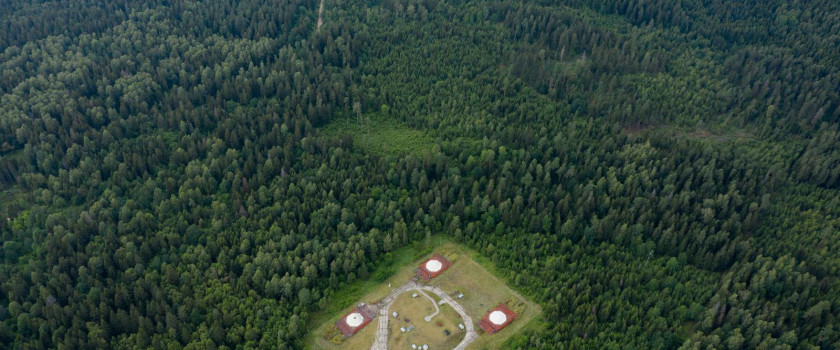
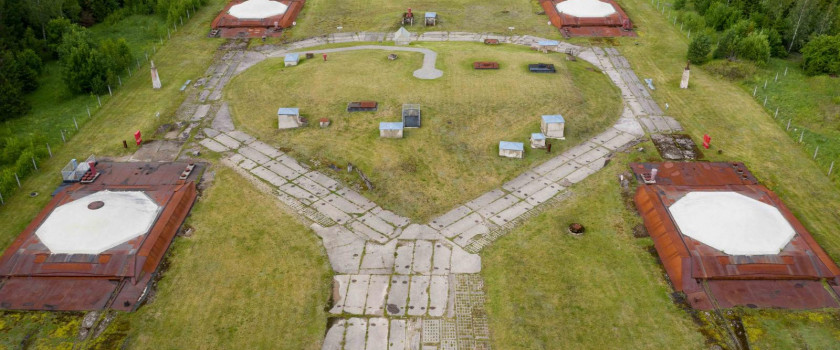
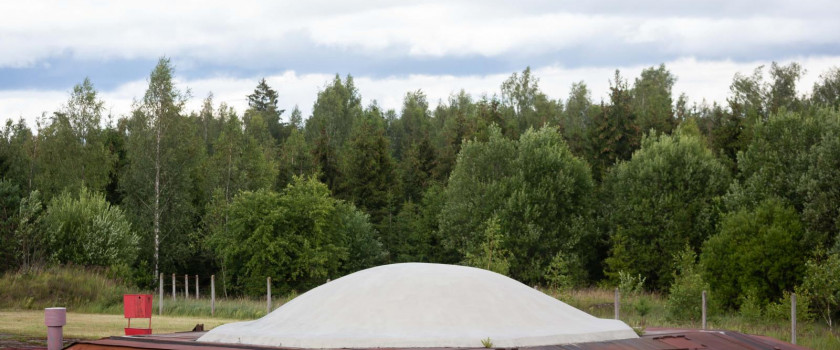
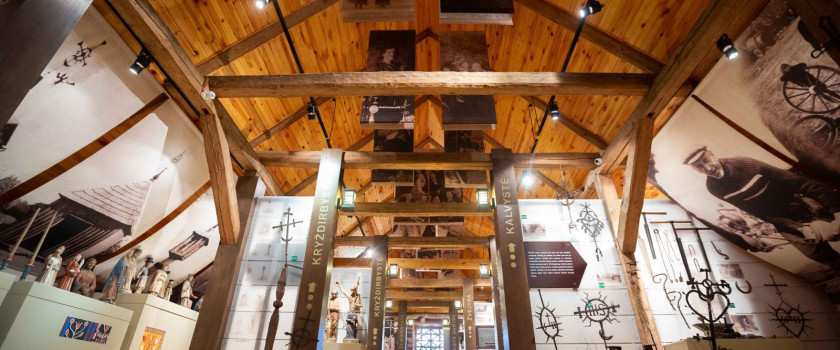
The park of energetic labyrinths Folk art exhibition of Jonušai The granary of Kazys Striaupa Leonardas Černiauskas art gallery Museum of Poet Vytautas Mačernis The Cold War Exposition Folk art exhibition of Vytas Jaugėla Memorial museum of writer Žemaitė Zemaitija National Park, Shrove Tuesday Expositions

View Tower

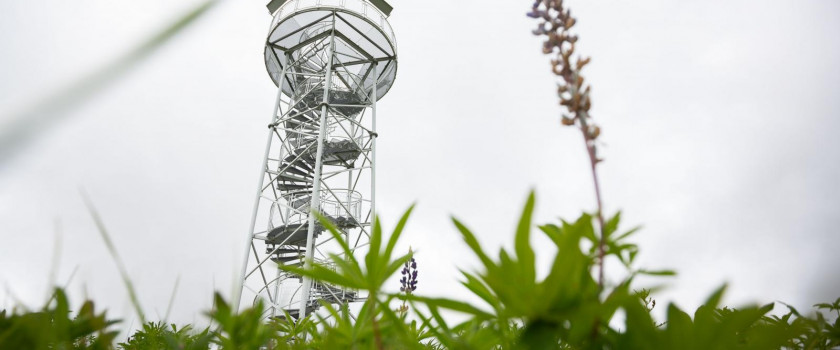
Observation tower on Paplatelė cognitive trail Barstytaliai observation tower Jogaudai observation tower Siberija observation tower

Cognitive, educational trail

Paplatelė cognitive trail Plokštinė cognitive trail Šeirė trail

Other path, route

Cycling around Lake Plateliai Gardai esker cognitive trail Cognitive trail of Gegrėnai mounds Walking path of Giliukas and Kaštoniukas Mikytai Sacrifice Hill walking trail The trail of the poet Vytautas Mačernis' birthplace Hiking – cycling trails around Ilgis Lake Ilgis walking trail

Campsite

Algirdas Plokštis tourist camp Povilas Sukauskas tourist camp Tourist camp "Atžalynas" Tourist camp "Juodupė"

Holiday resort

A resting place with a parking place in Beržoras

View Place

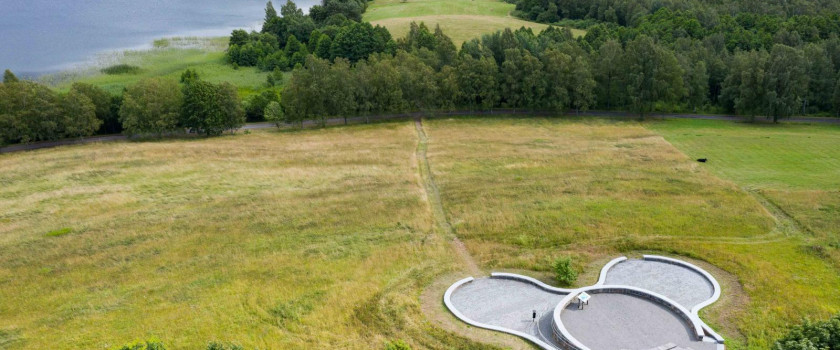
Plateliai lake observation platform Lake Plateliai observation Platform on the eastern coast

Bird observation site

Birdwatching location on the shore of Lake Ilgis Birdwatching location near Pakastuva pond

Other

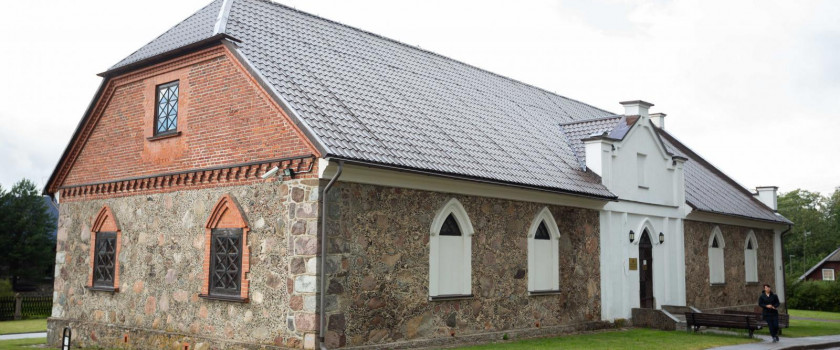
Memorial Garden of Litvaks Plateliai Manor Farm Traditional Crafts Center (educational activities, accommodation) Plokštinė ecological education center (accommodation)

The brand of Zemaitija National Park product

Zemaitijos NP

In cooperation with the State Protected Territory Service under the Ministry of Environment of the Republic of Lithuania, administrations of state-owned parks, state-owned biosphere strict natural reserves, and non-governmental environmental organization Baltic Environmental Forum, the brand of Lithuanian protected area product has been introduced as one of measures for sustainable tourism promotion. The trademark is intended for local product manufacturers, craftsmen, tourism service providers and other local residents that by their activity contribute to sustainable tourism development on the protected areas of Lithuania.

This brand will assist the travelers in finding the projects and services of local communities that conform with key valuables of sustainable development, and help local people to popularize them.

Values of sustainable development

 Development of protected areas

Protected area’s managers and local businesses have a symbiotic relationship – they can only thrive together. Protected areas attract travelers with their natural and cultural treasures, but high-quality travel experiences are equally as important as quality and authentic supply of products and services: accommodation, tour guide services, traditional crafts, locally made organic food, etc. The label is given to producers of goods and services who consider their activities to be an integral part of the development objectives of protected areas.

Promotion of cultural and natural heritage

The Label of Protected Areas aims to draw the attention of travelers to products and services that promote cultural and natural heritage, the continuation of traditional crafts or cultural values.

Environmentally friendly activities

The brand of Zemaitija National Park product

The label is awarded to product manufacturers and service providers whose activities are not harmful to the environment and who work to reduce the environmental impact of their activities.

Welfare of local communities

The label helps to promote the products and services created by the local people, thus promoting the employment and economic development of rural communities.

More information about Product brand: 

https://zemaitijosnp.lt/en/zemaitijos-np-produkto-zenklas/;

https://zemaitijosnp.lt/en/turizmas/farmsteads/;  

https://zemaitijosnp.lt/en/turizmas/guest-houses/

https://zemaitijosnp.lt/en/turizmas/hotels/

https://zemaitijosnp.lt/en/turizmas/campsites/

https://zemaitijosnp.lt/en/turizmas/catering/

https://zemaitijosnp.lt/en/turizmas/products-of-trademark/; 

https://zemaitijosnp.lt/en/horse-riding/

Protected areas attract visitors with their natural and cultural values. Often, when visiting a national or regional park, they want to take out a souvenir or just a good memory. In order to draw visitor‘s attention to the products and services produced by the local population, a product label for Protected areas has been created. A stylized ethnographic bird was chosen as a brand for Protected Areas.

The product label of Protected areas helps to recognize that the product is organic, authentic, produced by the local people, without harming the environment and wildlife, and favorable to human health.

The holder of the mark will primarily be the person who resides or operates in the protected area and does not violate protected values through his activities. The aim is to stimulate the local economy, facilitate the living in protected areas, and promote partnership between the local people and the management of protected area.

The list of products and services offered by protected areas can be various: honey, herbal tea, jams, accommodation, catering, guide services, traditional handicrafts, etc.

The product label of protected areas is one of the measures to promote sustainable tourism. It is intended for local producers, craftsmen, tourism service providers and other local residents, who contribute to the sustainable development of tourism in Lithuanian protected areas through their activities.

The product mark symbol (bird) of Protected areas is common to all protected areas of Lithuania, only the names of parks differ. There are 5 national and 30 regional parks in Lithuania.

So when you arrive at Dzūkija National Park, you can purchase black pottery created by local masters, and when traveling around Rambynas Regional Park, don't forget to buy honey collected by bees on the flooded meadows of Nemunas or a herbal tea collected in the forests of Sirvėta Regional Park.

The Protected Areas product label aims to encourage local people to engage in nature-friendly activities and park visitors- to purchase exclusive, authentic, ecological products.


Visitor memo

Visitor's Memo

IT IS ALLOWED:

to rest only in places equipped for this purpose – recreation centers, rest areas;

to camp (put up tents) only in equipped campsites;

to light fires only in equipped camp sites.

PLEASE:

to protect the environment, natural and cultural values, to conserve natural resources, not to break trees, bushes, not to pick rare plants, not to destroy anthills, bird nests, not to scare nesting birds, not to disturb animals, not to change their environment;

to report any observed cases of destruction of natural or cultural heritage values ​​or other violations to the police, environmental protection inspectorate or national park directorate;

to behave safely with fire – to supervise a lit fire, not to leave unextinguished fires;

upon noticing a fire, to take all possible measures to eliminate it, and if this is not possible, to immediately notify the fire protection service or national park directorate;

not litter on roadsides, lakeside and other places, leave the recreation area, campsite tidy when leaving, if there are waste sorting containers, sort waste according to instructions;

comply with the requirements for driving and parking in forests and lakeside areas, park vehicles in designated areas and on roadsides, if this does not interfere with safe traffic, there are no prohibitory road signs and does not violate the rights of other persons and does not cause damage to the environment;

preserve structures and facilities for visitors, and if you see people destroying them, report this to the national park directorate or the police;

comply with the rules for swimming in water bodies;

when picking berries, mushrooms, fishing, comply with the Rules for the Use of Small Forest Resources and the Rules for the Protection of Amateur Fishing and Fish;

do not violate the rights and interests of other users of natural resources, do not make noise, play loud music or otherwise interfere with the rest of other visitors or local residents, do not endanger the safety of other persons;

If you have any questions, please contact the national park directorate.

IT IS NOT ALLOWED:

to visit thermological, zoological (teriological, herpetological, entomological, ornithological) reserves from April 1 to September 1, except for public roads and cultivated fields;

to let loose dogs run, to bathe them on beaches or other places where people gather;

to bury garbage and waste;

to burn dry grass, reeds, fallen tree leaves, household waste;

to destroy, damage slopes or otherwise promote soil erosion;

to install swings, other recreational or sports facilities without permission.

Services provided by the Directorate

Guided tour (tour) or tour lead (guide) services:  
Tour guide service for Zemaitija (Samogitia) National Park (Lithuanian language) 30.00 €/1 hour/group
Tour guide service for Zemaitija (Samogitia) National Park (foreign language) 35.00 €/ 1 hour/ group
Organization and conduct of a hiking with a guide (departament specialist)  
Hiking with a guide (management specialist) per person  3.00/ 1 hour; 8.00 €/ 1 day
Hiking with a guide (management specialist) and snacks per person

4.00 €/ 1 hour; 10.00 €/ 1 day

Organization and conduct of a hiking with a guide (departament specialist) and directorate inventory  

Hiking with a guide (directorate specialist) per person 

5.00 €/ 1 hour; 15.00 €/ 1 day

Hiking with a guide (directorate specialist) and snacks per person 6.00 €/ 1 hour; 17.00 €/ 1 day

Ticket for visitor center exhibition, museum, ethnographic homestead, other exhibition or other object:


Visit of the Zemaitija National Park and Shrove Tuesday expositions (with one payment

document you can visit both expositions)

4.00 €/ 1 person

Visit of the Zemaitija National Park and Shrove Tuesday expositions (with one payment

document you can visit both expositions) (with discount)

2.00 €/ 1 person
Visit of the Plateliai Visitor Center exposition (independent visit) 1.00 €/ 1 person

Visit to the Plateliai Visitor Center exposition (visit with a guide,

for a group of up to 30 people), foreign language 1 hour

35.00 € (guide service) plus 1.00 €/ 1 person

Visit to the Cold War exposition (museum) in July - August (for adults)

12.00 €/ 1 person

Visit to the Cold War exposition (museum) in July - August (with discount) 6.00 €/ 1 person
Visit to the Cold War exposition (museum) in September - June (for adults) 10.00 €/ 1 person
Visit to the Cold War exposition (museum) in September - June (with discount) 5.00 €/ 1 person

Audio guide device service 4.00 €

4.00 €

Nature educational programs "Discover the mysteries of the Samogitian land", "Discover

the Zemaitija national park while playing", "Beaver hut", "Learning about trees", etc. in foreign languages

3.00 €/ 1 person

Temporary accommodation

 
Temporary accommodation at the Traditional Crafts Center (staying no longer than 1 day) 20 €/ person per day 
Temporary accommodation at the Traditional Crafts Center (staying 2 or more days) 15 €/ person per day 

Temporary accommodation at the Traditional Crafts Center (staying in a room without

a separate bathroom) 1 day)

18 €/ person per day 

Temporary accommodation at the Traditional Crafts Centre (staying in a room without

a separate bathroom for 2 or more days)

13 €/ person per day 
1 night (without bedding) in Plokštinė 4 €/ person per day
1 night (with bedding) in Plokštinė 5 €/ person per day
1 cottage (Pakalniškynė) 25 €/ per day

Use of camping site, recreation site

 
campsite (1 night)  77 €/ per day
1 tent (Plokštinė)  5 €/ per day