58334 he.
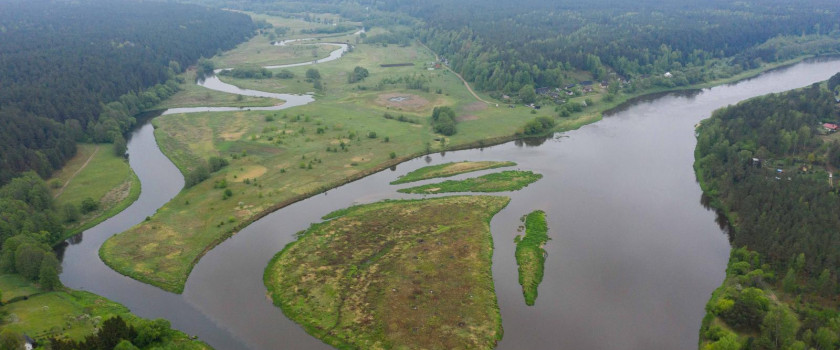
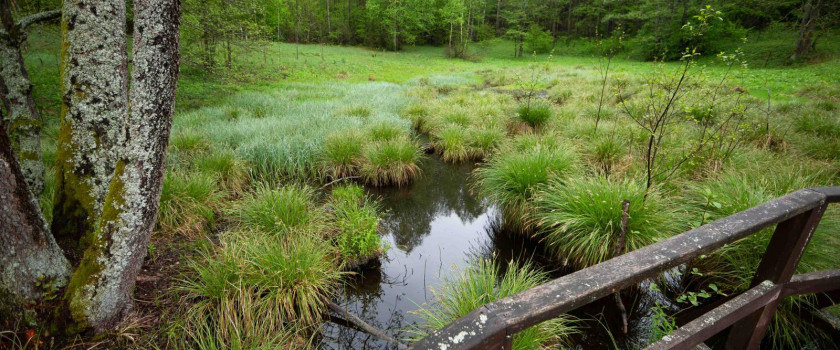
Very distinctive and each more scenic than the other are the valleys of the rivers Nemunas, Merkys, Ūla, Skroblus, Grūda with unique natural monuments. In total in the national park, there are 36 rivers and streams, and hundreds of springs that are different in their origin, features and history. Spectacu lar creations of nature involve the inland dune massifs, the unique headwaters of the Skroblus River (Bobos daržas), Ūla River eye fount, Ūla slopes and Nemunas River ravines.
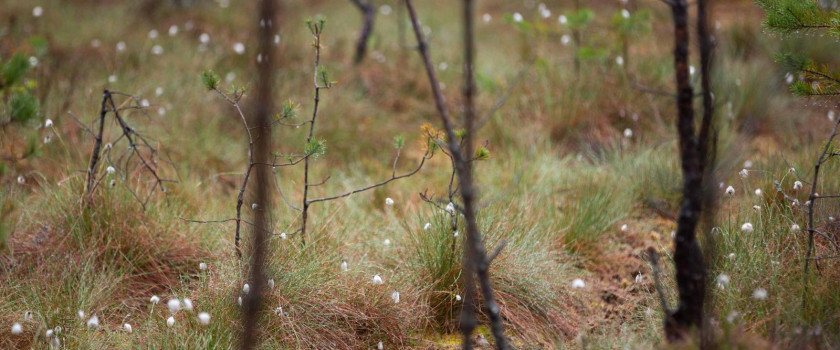
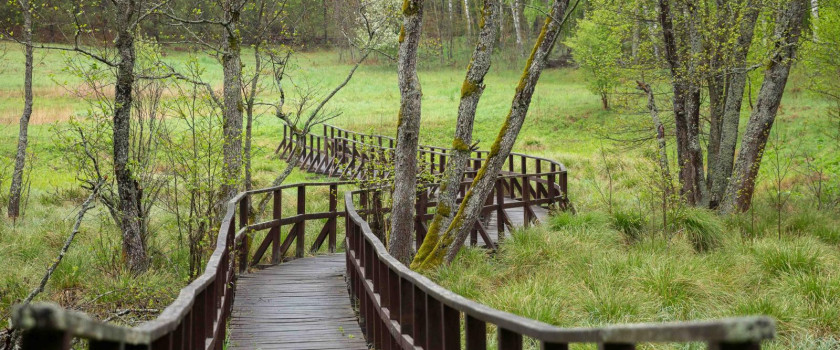
Dzūkija National Park is characterised by special biological diversity. Endless forests, dry meadows and flooded meadows, raised bogs and mires, cold-water rivers and springs – all serve as a shelter for many species of plants, animals and fungi. Here are the courting grounds of Black grouses (Lyrurus tetrix) and Capercaillies (Tetrao urogallus), and during the night the sounds of the Eurasian Eagle Owl (Bubo bubo) or wolves can be heard; and during the day, when the sun comes out, one can even see the Eu ropean pond turtle (Emys orbicularis). The national park together with the Čepkeliai reserve belongs to the most valuable wild nature territory network in Europe.
The following reserves have been established in the Dzūkija National Park to protect its natural and cultural values: 3 strict nature reserves and 29 reserves (9 landscape, 9 geomorphological, 2 hydrographical, 1 botanical, 4 telmological, 1 genetic, 2 ethno-cultu ral, and 1 urban reserve(s)). Strict nature reserves and nature reserves
The strict nature reserves in the national park have been established to protect the following: Musteika – the natural Musteika Stream and the unique mixed forest ecosystems, the forest and wetland habitats of the European Community importance, populations of the protected plant, animal, and fungi species (Boros schneideri, Hamatocaulis vernicosus), and habitats of Lynx lynx, Ciconia nigra, Glaucidium passe rinum, Picus canus, etc.; Povilnis – the natural Povilnis Stre am that flows through a scenic tunnel valley, forest and we tland ecosystems with the natural habitats of the European Community importance, and habitats of the protected plant, animal and fungi species (Cypripedium calceolus populati on, Cephalanthera rubra, Lutra Lutra, Cottus gobio, Peltis grossa, Phellinus nigrolimitatus, Fomitopsis rosea); Skroblus – the unique ruptured canyon valley nature complex, the hydrographical structure of the Skroblus Stream and its tributaries, the hydrological regimen, the river, wetland, and forest habitats of the European Community importance, po pulations of the protected plants, animals, and fungi (Lam petra planeri, Cottus gobio, Hamatocaulis vernicosus), and habitats of Cephalanthera rubra, Botrychium multifidum, Carex paupercula, Andrena rugulosa, Sparassis crispa.
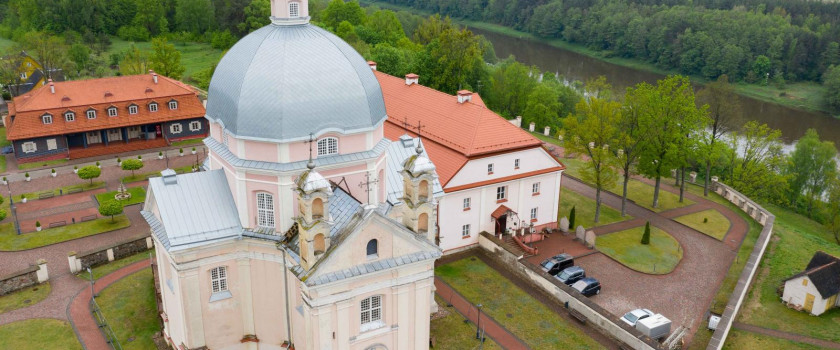
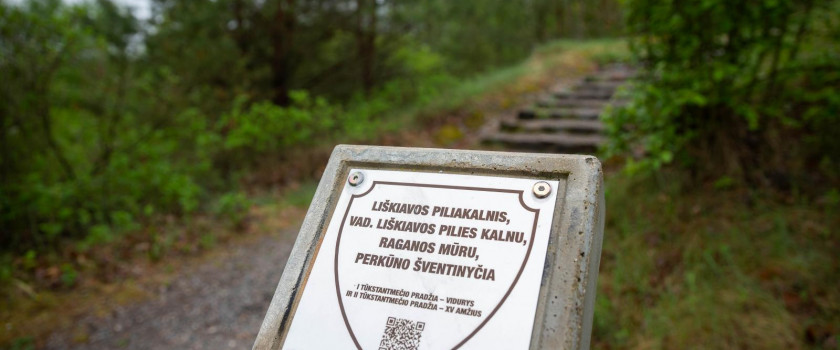
The landscape reserves have been established to protect: Glynas – the scenic Glynas Lake tunnel valley, the natural Glynupis Stream, a collection of ancient archaeologically valuable encampments, the wetlands and forest habitats of the European Community importance, populations of Lullula arborea, Boros schneideri, Rhodeus importance; populations of the protected plant and animal species (Lutra lutra, Lampetra planeri, Cottus gobio, Lycaena dispar, Saxifraga hirculus, Liparis loeselii, Hamatocaulis ver nicosus, Thesium ebracteatum), and habitats of Grus grus, Vertigo geyeri, Maculinea arion, Scolia hirta, Neotinea ustu lata, Orchis militaris; Kapiniškiai – the headwaters of the unique in Lithuania Skroblus Stream, the individual homestead valley-type land use structure of the Kapiniškiai village, the ethnographic Margionys village, The site of Margioniai Stone Age flint mines; the river, grassland, wetland and forest habitats of the European Community; Lynežeris – the unique lakeshore village of Lynežeris and its surroundings typical of the Dzūkija region with the rich Lynelis Lake forest ecosystems; grassland, wetland, and forest habitats of the European Community importance, the populations of the protected animal and plant species (Caprimulgus europaeus, Lullula arborea, Bom bina bombina, Pulsatilla patens), and habitats of Botrychium matricariifolium, Trifolium lupinaster; Liškiavos – one of the most beautiful landscapes in Lithuania, set on a curve of the Nemunas River with the unique riverside ravines and the Krūtis Stream valley, the Liškiava mythological stones, mound and the manor site, the Liškiava church and monastery ensemble; the wetland and forest habitats of the European Community importance; the populations of the protected plant and animal species (Lutra lutra, Alcedo atthis, Aspius aspius), and the habitats of Zygaena angelicae and Zygaena ephialtes, Polyommatus dorylas and Polyommatus cori don, Cephalanthera longifolia, Pernis apivorus; Lizdai – the distinctive landscape of morainic hill massif with deep ter mokarst tunnel valleys, riverside wetlands, the unique Bedu gnis lake, and the Bukaverksnis Stream that vanishes deep under the land surface; the landscape of the Lizdai villages; the wetland habitats of the European Community importance, the populations of the protected animal, plant, and fungi species (Liparis loeselii, Bombina bombina); habitats of Milvus milvus, Coturnix coturnix, Geoglossum sphagnophilum, Lycopodiella inundata, Hydrilla verticillata, Gentiana cruciata; Merkys – one of Lithuania’s most beautiful landsca pes of great natural and cultural value – the lower reaches of the Merkys and Skroblus River valleys with forest villages typical of the Dzūkija region, stone and early metal period campgrounds; the river, grassland, and forest habitats of the European Community importance; populations of the pro tected animal and plant species (Caprimulgus europaeus, Lullula arborea, Alcedo atthis, Lutra lutra, Lampetra planeri, Lycaena dispar, Ophiogomphus cecilia), the habitats of Zygaena angelicae ir Zygaena ephialtes, Polyommatus coridon and Glaucopsyche alexis, Erynnis tages, Allium angulosum, etc.; Nemunas – the ruptured Nemunas River midsection landscape with the unique landforms and shapes of hydrographic network, the riverside villages typical of the region; archaeological and historical values, ravine-rich valley fo rest ecosystems; grassland, wetland, and forest communities of the European Community importance; populations of the protected animal species (Lutra lutra, Alcedo atthis, Aspius aspius, Cottus gobio, Rhodeus); habitats of Haliaeetus albicilla, Milvus milvus and Milvus migrans, Sternula albifrons; Subartonys – the landscape of the Lithuanian cultural and public figure V. Krėvė-Mickevičius (1882-1954) hometown with the V. Krėvė-Mickevičius’ homestead-museum, V. Krėvė-Mickevičius’ grave, and other sites and objects related to the writer’s life and creation; the Gelovinė sacred places forest habitats of the European Community importance; populations of the protected animal and plant species (Hama tocaulis vernicosus, Bombina bombina); and the habitats of Accipiter gentilis, Grus grus, Glis glis; Ūla – the landscape of the unique in Lithuania the distinctive and valuable valley of the Ūla River lower reaches with the active exposures; the ethnographic villages of the ethnic group called šiliniai dzūkai – Zervynai, Mančiagirė, Žiūrai, Trakiškiai and Paūliai, with the archaeological values; river, wetland, and forest habitats of the European Community importance, the populations of the protected animal and plant species (Alcedo atthis, Caprimulgus europaeus, Lullula arborea, Lutra lutra, Lampetra planeri, Cobitis taenia, Lycaena dispar, Pulsatilla patens), and habitats of Upupa epops, Coronella austriaca, Arnica montana.
The geomorphological reserves have been established to protect: Alkūnės kampas – parabolic continental dunes massif; forest habitats of the European Community impor tance; habitats of the protected animal and plant species (especially populations of Caprimulgus europaeus, Lullula arborea, Boros schneideri, Aegolius funereus, Pulsatilla patens; habitats of Bubo bubo, Coronella austriaca; Dravių kampas – the ridged continental dunes’ massif; habitats of the European Community importance; populations of Tetrao urogallus, Caprimulgus europaeus, Lullula arborea, Aegolius funereus, Pulsatilla patens; Gudeliai – the lower part of the largest in Lithuania Panara terraced river system with its unique structure of terraced interseams; habitats of the protected animal species, especially Milvus migrans, Crex crex; Marcinkonys – the continental dunes’ massif with highest dune in the national park; grassland and forest habitats of the European Community importance; populations of the protected animal and plant species (Tetrao urogallus, Caprimulgus europaeus, Lullula arborea, Aegolius funereus, Boros schneideri, Dianthus arenarius, Pulsatilla patens); Merkinė – the distinctive morainic roll formed by the preultimate gla ciation; the benchmark relief of the Dzūkų upland southern slopes with the habitats of protected animal species, especially Emys orbicularis, Coturnix coturnix, Lanius excubitor; Pakrykštė – the unique fragment of the old Nemunas valley in Lithuania with the Pakrykštė erosional cirque, and habitats of the protected animal and plant species (Crex crex, Bom bina bombina); Strauja – the unique Strauja deep valley with distinctive landforms, Lauja lake; the river, wetland and forest habitats of the European Community importance, populations of the protected animal, plant and fungi species (Lutra lutra, Lampetra planeri, Cottus gobio, Hamatocaulis vernicosus); habitats of Misgurnus fossilis, Glis glis, Urnula craterium, Hypericum montanum, Unio crassus; Šunupis – the distinctive continental dunes’ massif; forest habitats of the Europos Community importance; populations of Tetrao urogallus, Caprimulgus europaeus, Lullula arborea, Aegolius funereus; Ucieka – the unique erosional Nemunas River slopes with scars, cirques and deep tributary valleys; river, wetland, and forest habitats of the European Community importance; the habitats of the protected animal and plant species (Milvus migrans, Glis glis, Mustela erminea, Lutra lutra, Dentaria bulbifera, Zygaena angelicae and Zygaena ephialtes).
The hydrographical reserves have been established to protect: Grūda – the unique structure of the Grūda riverine; the ethno-cultural Kašėtos village; river and forest habitats of the European Community importance; populations of the protected animal and plant species (especially Triturus cristatus, Lampetra planeri, Cottus gobio, Lycaena dispar); habitats of Dactylorhiza majalis, Vertigo angustior and Verti go geyeri; Netiesos – the Apsingė and Kempė Streams, the unique Netiesos lakes; lake, wetland, and forest habitats of the European Community importance; populations of the protected animal and plant species (Lutra lutra, Lampetra planeri, Cottus gobio, Lycaena dispar, Saxifraga hirculus); habitats of Neottianthe cuculata, Vertigo angustior, Haliae etus albicilla.
Subartonių Subartonys Forest Botanical Reserve has been established to protect the forest benchmark typical of Dzūkija upland geobotanical district with the unique biological diversity; forest habitats of the European Community importance; habitats of the protected animal, plant, and fungi species, especially Ciconia nigra, Clanga pomarina, Glis glis, Verti go angustior, Polyporus umbellatus.
The telmological reserves have been established to protect: Bakanauskai – the typical swampy waterhole with the eutrophic Bakanauskas Lake; forest and wetland habitats of the European Community importance; populations of the protected animal, plant and fungi species, especially the population of Bombina bombina; habitats of Geoglossum sphagnophilum, Lycopodiella inundata, Salix lapponum; Dėlinas – the natural system of small forest swamps and lakelets located in the interdune Dėlynas tunnel valley; lake and wetland habitats of the European Community impor tance; populations of Saxifraga hirculus, Tetrao urogallus; habitats of protected animal and plant species, especially Vertigo angustior and Vertigo geyeri; Didžiabalė – the Didžiabalė wetland complex with the wetland habitats of the European Community importance; habitats of the protected animal and plant species, especially Salix lapponum, Haliaeetus albicilla, Tringa glareola, Oeneis jutta, etc.;; Imškai – one of the largest wetland complex in the sou theastern Lithuania with the wetland and forest habitats of the European Community importance; populations of Lynx lynx, Canis lupus, Tetrao urogallus, Tetrao tetrix, Aegoliusfunereus, Boros schneideri, Dianthus arenarius, Pulsatilla patens; habitats of the protected animal and plant species, especially Circaetus, Lepus timidus, Grus grus.
Stėgalios Forest Pine Tree Genetic Reserve has been established to protect the genetic diversity of the Pinus sylvestris population.
The ethno-cultural reserves have been established to protect: Musteika – one of the most valuable ethnographical ly and finest surviving examples of a typical Dzūkija forest village, the old road network, the old cemetery, historical system of land use and ethno-cultural traditions, ethnic customs and traditional lifestyle; Žiogeliai – one of the most ethnographically valuable and finest surviving examples of a typical Dzūkija riverside village, ethnic traditions and traditional lifestyle, the old road network, historical land use system.
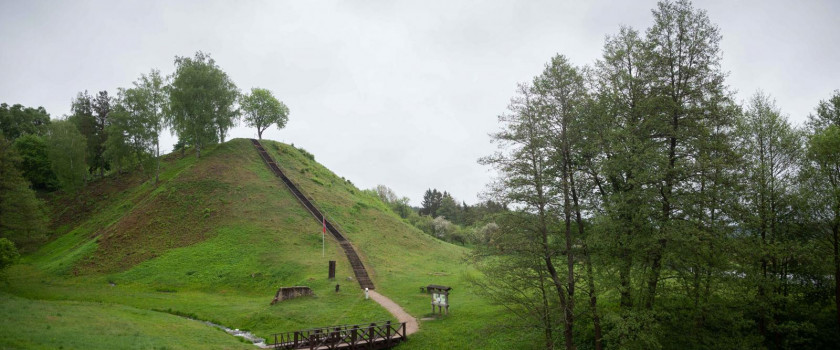
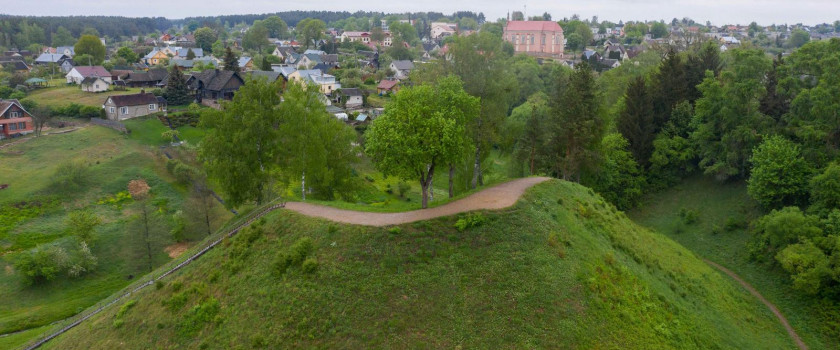
The Merkinė Urban Reserve has been established to protect the old planning and spatial structure of the historical part of the Merkinė town, one of Lithuania’s best known castle mounds, the unique archaeological cultural layer as well as other historical, memorial and architectural values.
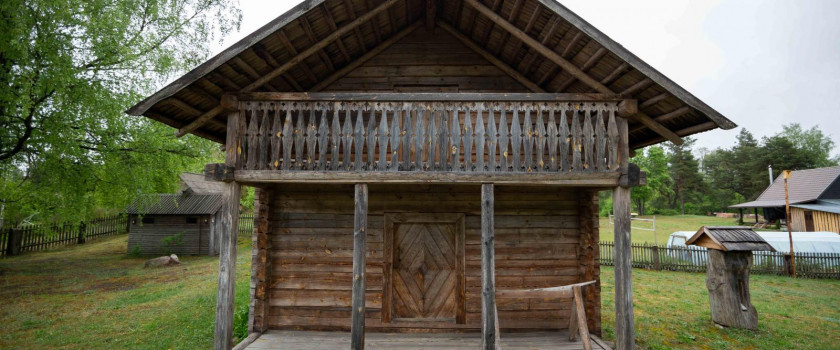
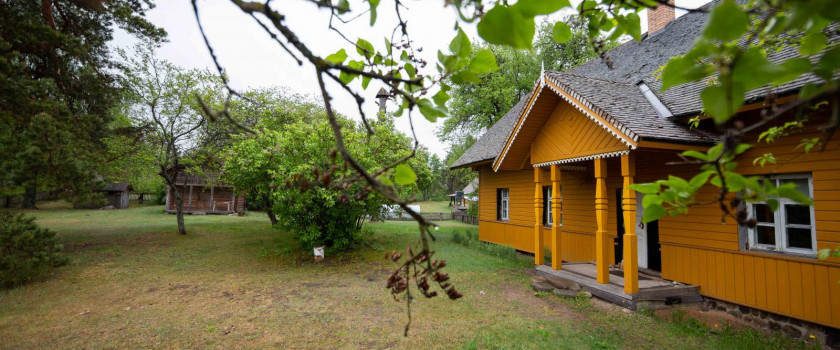
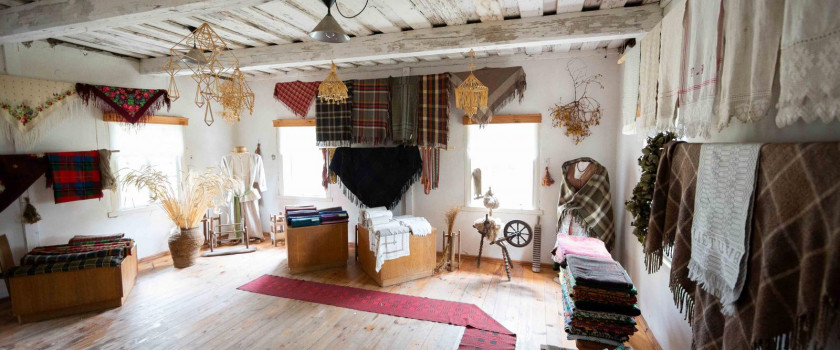
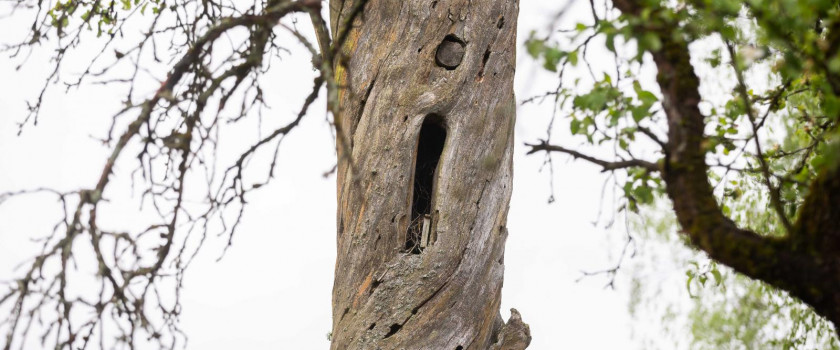
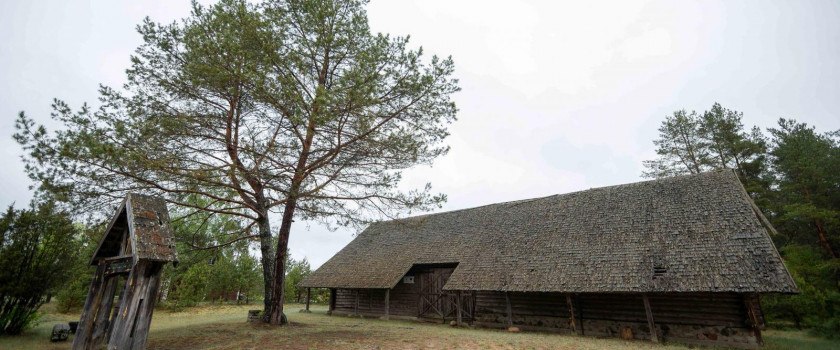
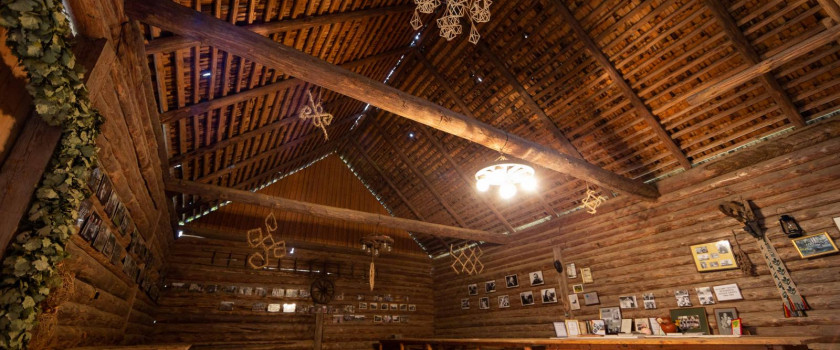
The people of the Dzūkija region held onto their traditional Lithuanian customs and traditions the longest, maintaining their origi nal way of living, the household items and textiles. The local residents called šiliniai dzūkai have retained the features of communal living. In some cemeteries, on the Christmas Eve, people still make fires and pray together. Here, one can still try home-baked bread or buckwheat cake called babka and other local delicacies. The farmsteads in the villages of the Dzūkija region are positioned according to a characteristic pattern. Several hou ses using only basic construction methods (an axe) remain, as do many decorative elements and of course wooden car ved crosses in all shapes and sizes. In the workshops and camps, people learn how to weave not only traditional local baskets of pine roots or pine spills, but also the containers called gorčius, shoes called vyžos, and straw decorations sodai. People still preserve the traditions of candle casting, ribbon weaving, spinning, shoe making, herbalism, cera mics, culinary heritage, and others. In this region, people keep the hollow bee-keeping tra ditions alive. The hollow beekeeping has persisted in this region the longest. The old traditions of beekeeping are maintained by the hollow bee-keeping apiary in the Musteika village.The farmsteads in the villages of the Dzūkija region are positioned according to a characteristic pattern. Several hou ses using only basic construction methods (an axe) remain, as do many decorative elements and of course wooden car ved crosses in all shapes and sizes. In the workshops and camps, people learn how to weave not only traditional local baskets of pine roots or pine spills, but also the containers called gorčius, shoes called vyžos, and straw decorations sodai. People still preserve the traditions of candle casting, ribbon weaving, spinning, shoe making, herbalism, cera mics, culinary heritage, and others. In this region, people keep the hollow bee-keeping tra ditions alive. The hollow beekeeping has persisted in this region the longest. The old traditions of beekeeping are maintained by the hollow bee-keeping apiary in the Musteika village. Merkinė is famous as the centre of the black ceramics with the handicraft centre called The Forest of Unicorns (“Vie naragių šilas”). The ethnographic ensembles of Žiūrai, Marcinkonys and Margionys villages resound the old vil lage songs. The Žiūrai ethnographic ensemble has been included into the list of Lithuanian non-material heritage in 2018 – “The singing tradition of southern dzūkai (ðiliniai) in Žiūrai village”. Margionys village is famous for the barn theatre tradition which started in 1929. The tradition of pu tting on performances in a barn is still alive here.The farmsteads in the villages of the Dzūkija region are positioned according to a characteristic pattern. Several hou ses using only basic construction methods (an axe) remain, as do many decorative elements and of course wooden car ved crosses in all shapes and sizes. In the workshops and camps, people learn how to weave not only traditional local baskets of pine roots or pine spills, but also the containers called gorčius, shoes called vyžos, and straw decorations sodai. People still preserve the traditions of candle casting, ribbon weaving, spinning, shoe making, herbalism, cera mics, culinary heritage, and others. In this region, people keep the hollow bee-keeping tra ditions alive. The hollow beekeeping has persisted in this region the longest. The old traditions of beekeeping are maintained by the hollow bee-keeping apiary in the Musteika village.
The farmsteads in the villages of the Dzūkija region are positioned according to a characteristic pattern. Several hou ses using only basic construction methods (an axe) remain, as do many decorative elements and of course wooden car ved crosses in all shapes and sizes. In the workshops and camps, people learn how to weave not only traditional local baskets of pine roots or pine spills, but also the containers called gorčius, shoes called vyžos, and straw decorations sodai. People still preserve the traditions of candle casting, ribbon weaving, spinning, shoe making, herbalism, cera mics, culinary heritage, and others. In this region, people keep the hollow bee-keeping tra ditions alive. The hollow beekeeping has persisted in this region the longest. The old traditions of beekeeping are maintained by the hollow bee-keeping apiary in the Musteika village.
Merkinė is famous as the centre of the black ceramics with the handicraft centre called The Forest of Unicorns (“Vie naragių šilas”). The ethnographic ensembles of Žiūrai, Marcinkonys and Margionys villages resound the old vil lage songs. The Žiūrai ethnographic ensemble has been included into the list of Lithuanian non-material heritage in 2018 – “The singing tradition of southern dzūkai (ðiliniai) in Žiūrai village”. Margionys village is famous for the barn theatre tradition which started in 1929. The tradition of pu tting on performances in a barn is still alive here.

 Nature Heritage Site
 Visitor centre
 Other natural object
 Cultural heritage object
 Other cultural object
 Museum, Exposition
 View Tower
 Cognitive, educational trail
 Campsite
 Holiday resort
 View Place
 Nature Heritage Site
 Visitor centre
 Other natural object
 Cultural heritage object
 Other cultural object
 Museum, Exposition
 View Tower
 Cognitive, educational trail
 Campsite
 Holiday resort
 View Place

 Geological
 Geomorphologic
 Hydrogeological
 Hydrographic
 Botanical
 Zoological
 Nature school
 Visitor centre
 Handmade products
 Services
 Food products

