13213 he.
The Salants Regional Park protects the landscape of the Erla - Salants - Minija ancient valley and its surroundings. It was established to preserve::
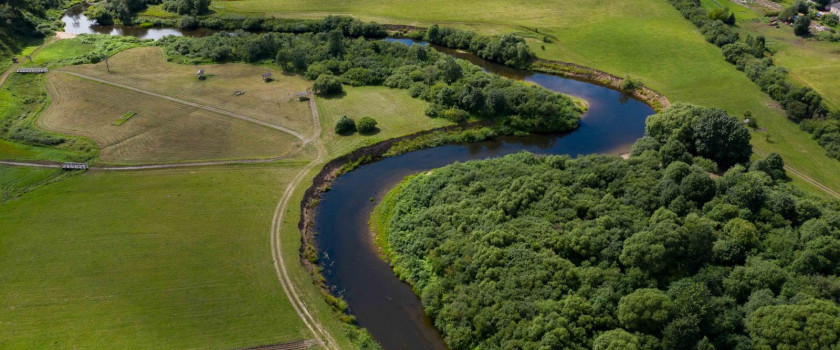
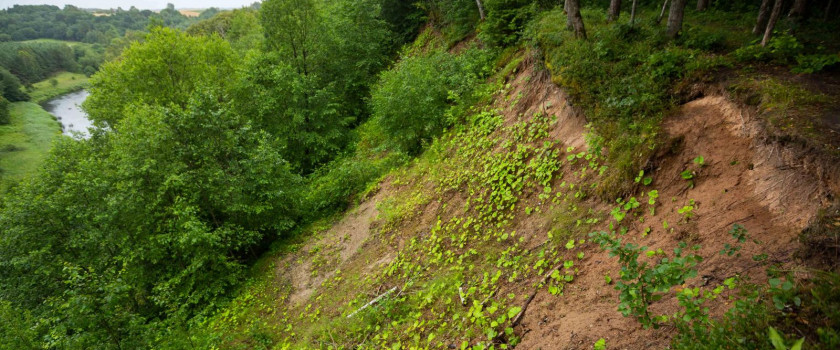
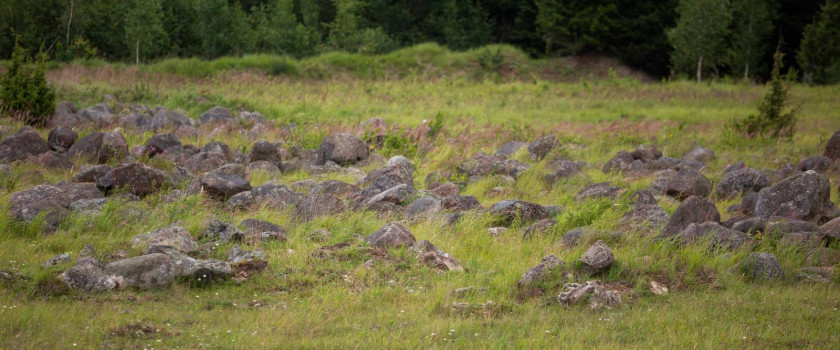
- the steep-sided, flat-bottomed fluvioglacial Erla - Salantas - Minija old valley, the distinct boulderfields of Šaukliai, Kulaliiai, Igariai and Erlėnai, the muddy moraine relief of the north-eastern part of the park, the major bends of the Minija river, the meandering Salantas lower river and the erosive valley of the middle river;
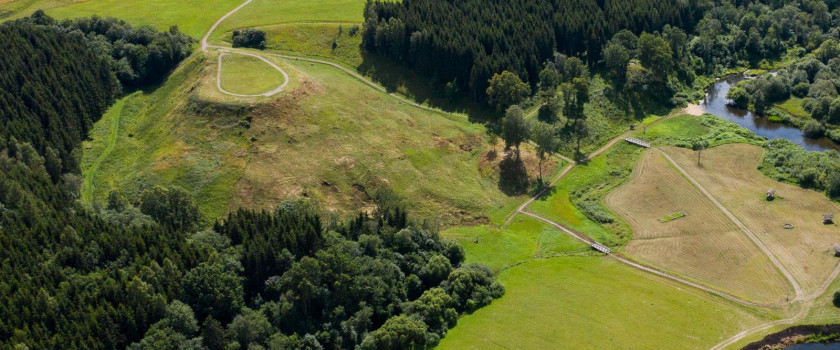
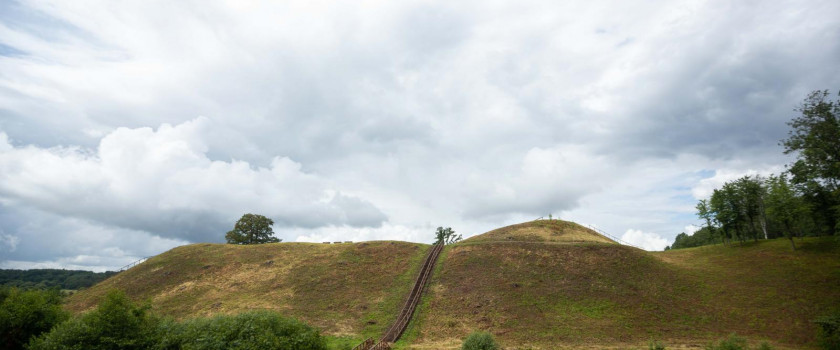
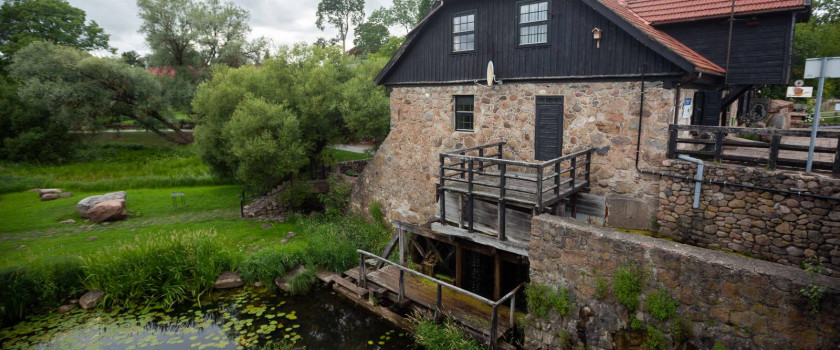
- cultural heritage sites, including hillforts, the urban structure of the town of Salantai, the archaeological complex of Šilalė, etc;
- the stability of the natural ecosystem, the components of the biota, the distinctive flora and fauna, the natural fish migration routes and spawning grounds.
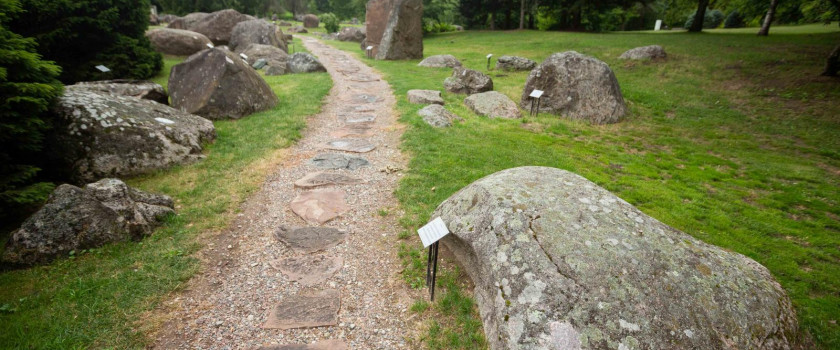
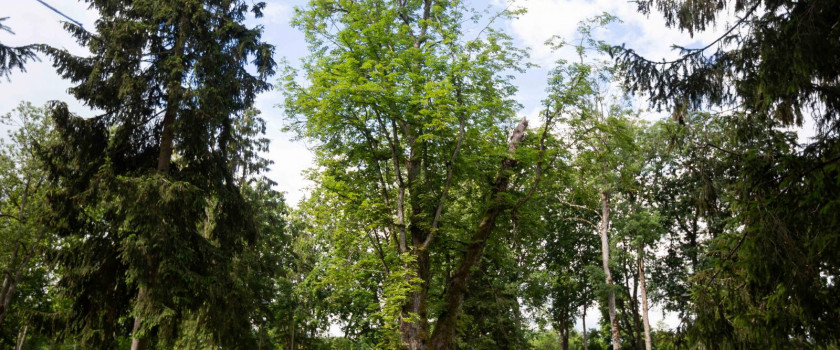
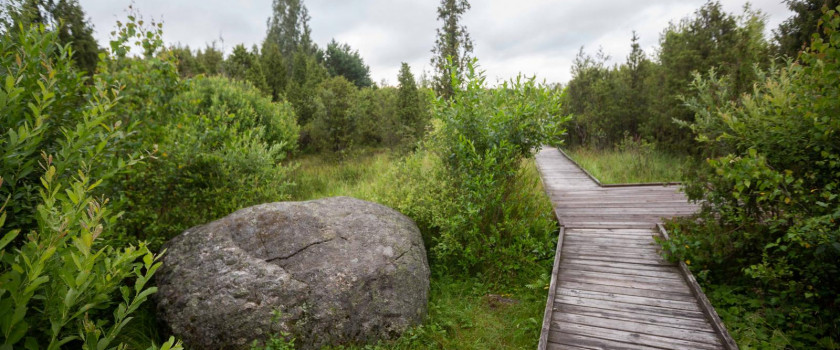
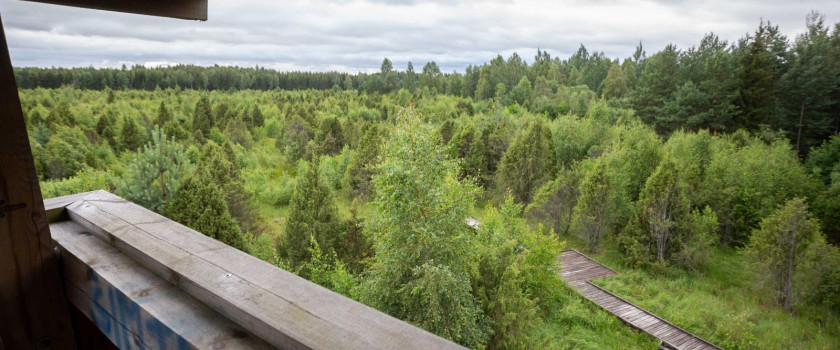
Salantai Regional Park is the Minija, Salantai, Erla Rivers old and new valleys’ landscape park. An exclusive feature of the park is boulder – juniper fields resembling tundra landscape. Here, one can find the largest in Lithuania juniper forest. In Salantai, there is the thickest and oldest horse-chestnut tree growing. The uniqueness and diversity of the landscape is even more increased by Kartena and Imbarė mounds where the old Curonian castles used to stand. Alka Hill was probablythe one on which the holy fire was burning the longest. Crosses, chapels and wayside shrines make up the integral part of the landscape. Unique exhibitions of stones.
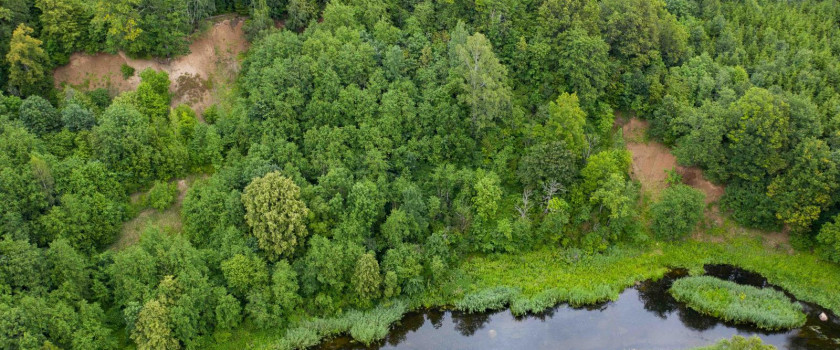
The Regional Park is dominated by the morphological structure created by the mid-sized river valley erosional and hydrological processes with the adjoining areas of morainic elevation. The expression of the erosional Erla, Minija and Alantas slopes has been increased by defensive mounds and sacred groves. The landscape of the regional park is characterised by the abundance of natural and cultural heritage objects, and large recreational and educational tourist potential. Exceptional concentrations of boulders on the morainic cover in the northern part of the park also need to be noted as they have formed the landscape of the “Lithuanian tundra”.
Salantai Regional Park landscape diversity has been created by the following major landscape types: little cultivated and cultivated steep-sloped washed back water valleys, forested erosional steep-sloped and meandering terrace valleys, forested and little cultivated small steep-sloped erosional ravine-rich valleys, forested and little cultivated deep erosional valleys, cultivated erosional ridge-like inselberg, forested and cultivated boulder-rich morainic elevations, cultivated morainic elevations, forested and cultivated hilly morainic elevations, forested and cultivated morainic plains, forested and cultivated dammed valleys, forested fen complexes, and various settlement types of contemporary landscape.
These are the habitats of European Community importance (code, title) found in the park: 6210 Semi-natural dry grasslands and scrubland facies on calcareous substrates, 4030 European dry heaths, 3260 Water courses of plain to montane levels with the Ranunculion fluitantis and Callitricho-Batrachion vegetation: 5130 Juniperus communis formations on heaths or calcareous grasslands, 6230 Species-rich Nardus grasslands, 9160 Sub-Atlantic and medio-European oak or oak-hornbeam forests of the Carpinion betuli, 6430 Hydrophilous tall herb fringe communities of plains and of the montane to alpine levels, 6510 Lowland hay meadows (Alopecurus pratensis, Sanguisorba officinalis), 8220 Siliceous rocky slopes with chasmophytic vegetation, 9180 Tilio-Acerion forests of slopes, screes and ravines.
The total number of plant species is 570, of these 26 are included in Lithuania’s Red Data Book. The total number of animal species is 793. Mammals – 38, of these 2 are protected by the European Community, and 4 are included into the Lithuania’s Red Data Book. Birds – 168, of these 2 are protected by the European Community, and 27 are included into the Lithuania’s Red Data Book. Fishes – 6, of these 4 are protected by the European Community, and 2 are included into the Lithuania’s Red Data Book. Amphibians and reptiles – 12, of these 1 is protected by the European Community, and 3 are included into the Lithuania’s Red Data Book. Invertebrates – 575, of these 6 are included into the Lithuania’s Red Data Book.
The following zones have been established in the Salantai Regional Park to protect its natural and cultural heritage values: 1 strict nature reserve and 8 reserves (3 landscape, 1 geomorphological, 3 hydrographical, 1 ichtiological, and 1 urban).
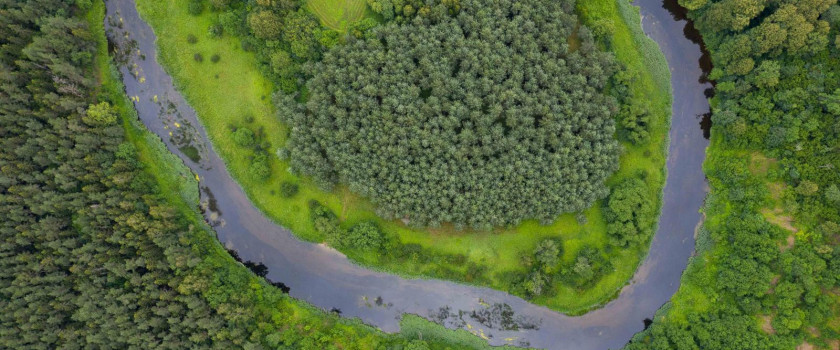
The Minija Strict Nature Reserve has been established to protect the natural complex along the Minija River loop near Vaitkiai village which is valuable from the hydrographical and biocenoses’ perspectives; the habitats of the European Community importance: Water courses of plain to montane levels with the Ranunculion fluitantis and Callitricho-Batrachion vegetation, Semi-natural dry grasslands and scrubland facies on calcareous substrates, Northern Boreal alluvial meadows, Lowland hay meadows, Fennoscandian lowland species-rich dry to mesic grasslands, Tilio-Acerion forests of slopes, screes and ravines, Riparian mixed forests of Quercus robur, Ulmus laevis and Ulmus minor, Fraxinus excelsior or Fraxinus angustifolia, along the great rivers (Ulmenion minoris), Alluvial forests with Alnus glutinosa and Fraxinus excelsior (Alno-Padion, Alnion incanae, Salicion albae), Fennoscandian mineral-rich springs and springfens, Siliceous rocky slopes with chasmophytic vegetation, Petrifying springs with tufa formation (Cratoneurion); habitats of the protected animal species, especially Crex crex, Alcedo atthis, Aristolochias, Unio crassus, Cobitis taenia, Cottus gobio, Ophiogomphus cecilia, Lutra lutra, Lampetra fluviatilis.
The landscape reserves have been established to protect: Alantas – the valley of the left Minija tributary Alantas with plenty of tributaries, shoals, springs, Vėlaičiai and Kartena mounds with the surrounding settlements; habitats of the protected animal species, especially Crex crex, Alcedo atthis, Aristolochias, Unio crassus, Cobitis taenia, Cottus gobio, Ophiogomphus cecilia, Lutra lutra, Lampetra fluviatilis; Minija – the picturesque Minija valley section of erosional origin seamed with spring-rich ravines; the unique erosional valley of the lower reaches of the Mišupė River; the confluence of the Mišupė and Minija Rivers; the section of the old valley with the current Minija riverine; the confluence of the Minija and Salantas Rivers; the natural Minija valley slope forests – oak forests and hornbeam forests with abundant populations of protected plants – Lunaria rediviva, Allium ursinum, Corydalis cava; also the natural creek grasslands of the Minija valley with the growing sites of the protected plant species – Orchis militaris, Orchis mascula, Orchis morio, Sesleria caerulea; the habitats of the European Community importance – Water courses of plain to montane levels with the Ranunculion fluitantis and Callitricho-Batrachion vegetation, Semi-natural dry grasslands and scrubland facies on calcareous substrates, Northern Boreal alluvial meadows, Lowland hay meadows, Fennoscandian lowland species-rich dry to mesic grasslands, Herb-rich spruce, Sub-Atlantic and medio-European oak or oak-hornbeam forests of the Carpinion betuli, Tilio-Acerion forests of slopes, screes and ravines, Alluvial forests, Fennoscandian mineral-rich springs and springfens, Siliceous rocky slopes with chasmophytic vegetation, Petrifying springs with tufa formation (Cratoneurion); habitats of the protected animal species, especially Crex crex, Alcedo atthis, Aristolochias, Unio crassus, Cobitis taenia, Cottus gobio, Ophiogomphus cecilia, Lutra lutra, Lampetra fluviatilis; Dauginčiai and Sauseriai mounds; Martynaičiai mound with the settlement, and Gintarai manor site; Šaukliai – the relief formed by melting of the western-Samogitian glacial extension with the typical drumlin-type hills of the northern-sourthern orientation and erosional Eiškūnas River valley; the unique Šaukliai and Kulaliai boulder fields with distinctive plant communities; the habitats of the European Community importance – European dry heaths, Juniperuscommunis formations on heaths or calcareous grasslands, Species-rich Nardus grasslands, Molinia meadows on calcareous, peaty or clayey-silt-laden soils (Molinion caeruleae), Fennoscandian lowland species-rich dry to mesic grasslands, Sub-Atlantic and medio-European oak or oak-hornbeam forests of the Carpinion betuli, Fennoscandian deciduous swamp woods, Herb-rich spruce; growing sites of the protected plants – Orchis mascula, Huperzia selago, Lassalia pustulata, Umbilicaria polyphylla, and the abundant in the region Lyrurus tetrix population.
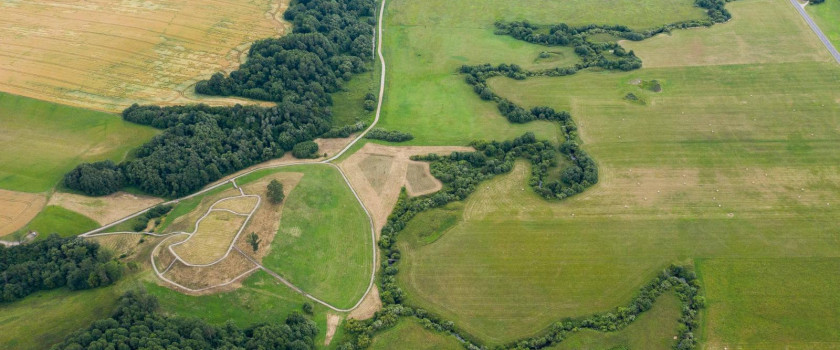
The Erla Geomorphological Reserve has been established to protect the fluvioglacial Erla old river valley with the Igariai and Erlėnai boulder fields and Alkas Hill; the habitats of the protected Crex crex species; and growing sites of Primula farinosa.
The hydrographical reserves have been established to protect: Salantas River midsection – the belt of the erosional Salantas River valley and the natural riverine; Salantas River lower section – natural section of the belt of the Salantas River old valley and channel, and the confluence of the Blendžiava Stream and the Salantas River; the habitats of the European Community importance – Lowland hay meadows, Fennoscandian lowland species-rich dry to mesic grasslands; the populations of the protected animal species, especially Crex crex, Alcedo atthis, Lampetra planeri.
The Minija Ichtiological Reserve has been established to protect spawning sites of Salmo salar, Salmo trutta trutta, Salmo trutta, Vimba vimba.
The Salantai Urban Reserve has been established to protect the historical (layout, spatial, volumetric) structure of the historical part of Salantai town, the traditional development type of the territory and individual plots, traditional architectural expression of buildings, the objects of cultural heritage and their surrounds, and the archaeological layer.
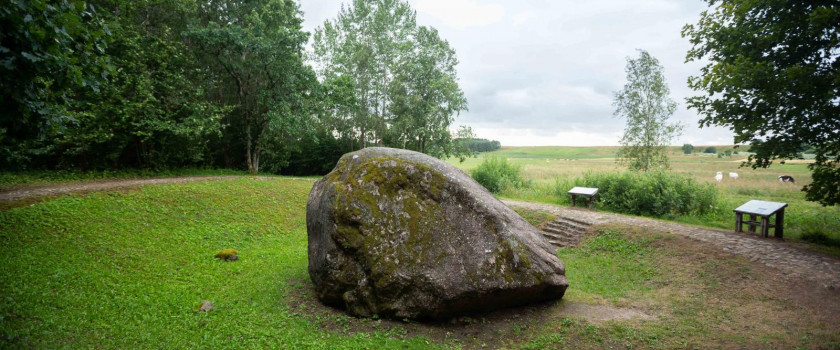
There are 10 natural heritage objects in the Salantai Regional Park. The most important ones include the following: the boulder Šilalės kūlis, Kulaliai stone-pit boulder field, Šaukliai stone and Salantai horse-chestnut.

 Nature Heritage Site
 Visitor centre
 Other natural object
 Cultural heritage object
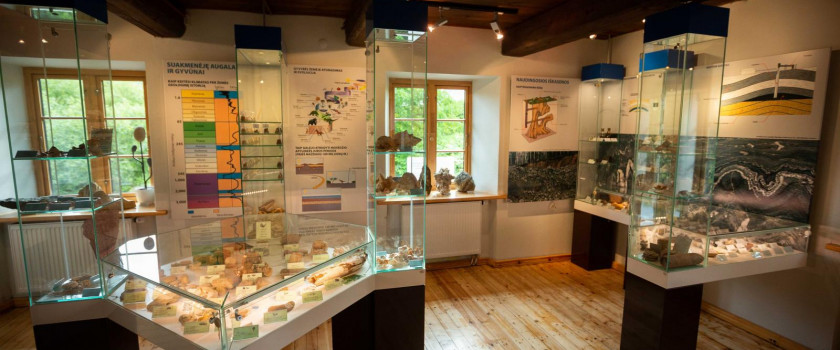
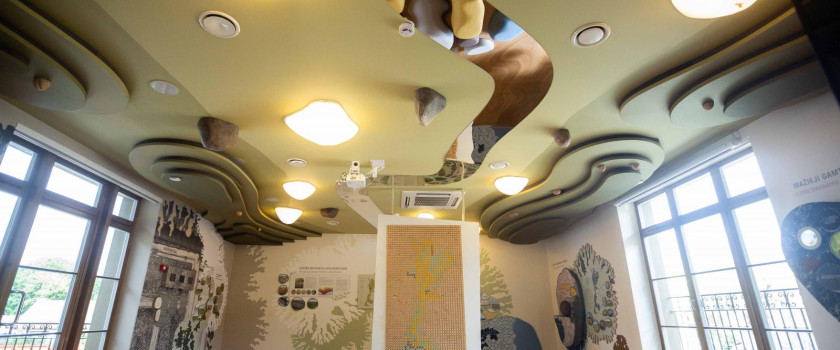
 Museum, Exposition
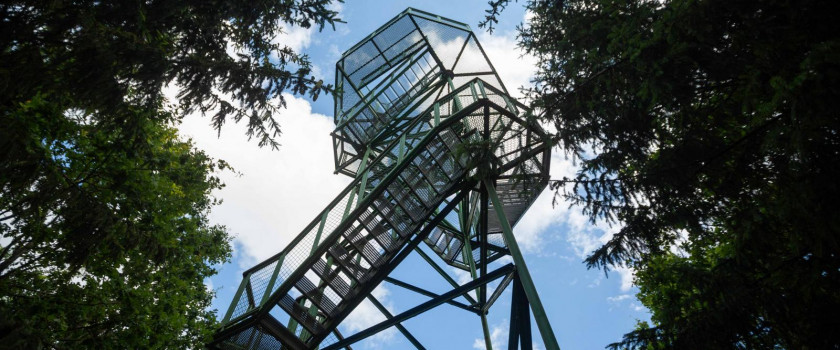
 View Tower
 Cognitive, educational trail
 Other path, route
 Campsite
 View Place

 Geological
 Geomorphologic
 Hydrogeological
 Hydrographic
 Botanical
 Zoological
 Nature school
 Visitor centre
 Nature Heritage Site
 Visitor centre
 Other natural object
 Cultural heritage object
 Museum, Exposition
 View Tower
 Cognitive, educational trail
 Other path, route
 Campsite
 View Place

