
1992 year
17499 he.
Ph. No.
Email
https://zemaitijosstd.lrv.lt/
The Kurtuvėnai Regional Park has the Karalmiškis Sengirė Nature Reserve, 19 reserves (8 landscape, 4 geomorphological, 1 hydrographical, 1 botanical, 3 botanical-zoological, 1 telmological, 2 genetic) to preserve the values of natural and cultural heritage.
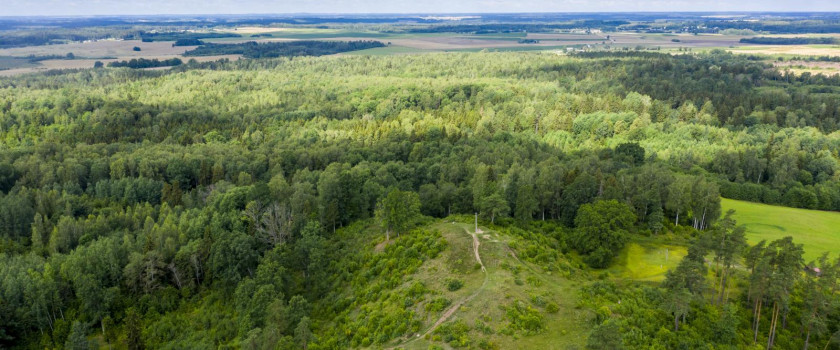
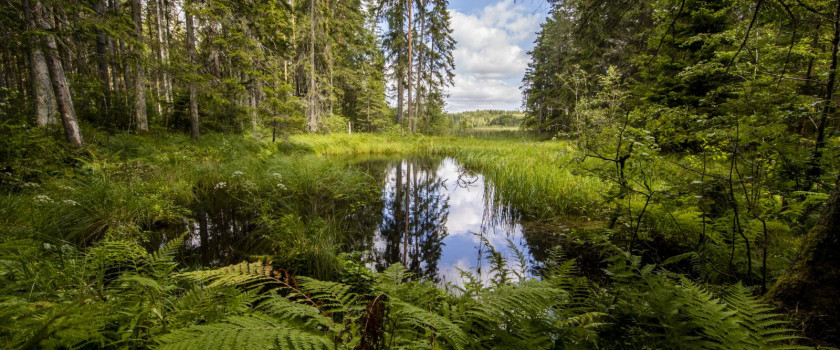
The objectives of the Karalmiskis Sengirė Nature Reserve are to preserve the mature coniferous forest ecosystem with the habitats of the European Community importance 9010 *Western taiga, 9080 *Golden deciduous forests, 91D0 *Swamp forests, and to enable the formation of a viable old-growth forests (*Priority habitat types of European Community importance).
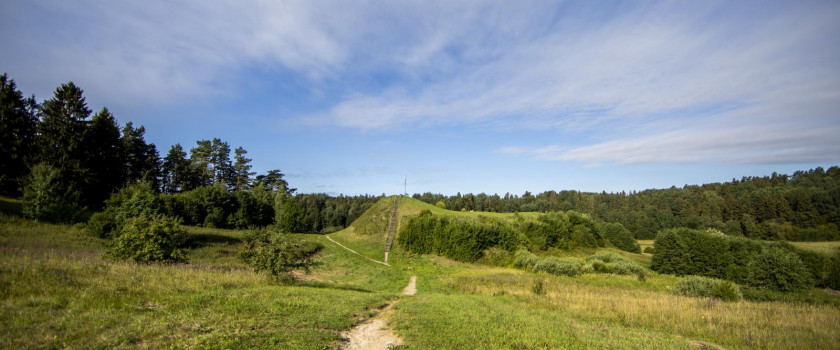
The objectives of landscape reserves: Girnikai - to preserve the high overhanging moraine mass cut off by the Venta-Dubysa valley with Girnikai Mountain, the Bunokiškės forest ecosystem and the habitats of protected plant species, especially the slender birch (Betula humilis), the Pociškės pine tree, and the graves of soldiers of the First World War; Ilga - to preserve the aeolian landforms, the unique flat-bottomed, boggy, lake-like Ilgažeris bowl - the source of the Ilga River, the boggy lake of Juodlje, the Gabriejole bowl, the Gabriejole mound, the ecosystem of the forest of Juodlje, the habitats of European Community importance and the species of protected plants and animals; Pageluvis - to preserve the picturesque stretch of the Pageluvis marginal moraine formations and the glacial basin of the lake with the remnant and thermokarst lakes Širva, Kurtuva, Dubukas, Barsukynas, Geluva, Šermukšnynas, Raudinukas, with the source of Raudinukas stream, the mounds of Pageluvis I and II, the oasis of Barsukynas, and the ecosystem of the forest Pageluvis; Rauda - to preserve the clone of the Rauda stream formed by glacial meltwaters, the most prominent part of the Sodeliuki moraine ridge, the prominent clone of the Dirvoni canyon type, and the erosional hill of the Paraudžiai, and the ecosystem of the Paraudžiai forest; Raudsparnė - - to preserve the Raudsparnė moraine massif with its high, forested plateaus, the natural Dūkša Lake; Svilė - to preserve the geomorphologically and hydrographically valuable, coarsely hilly, jagged landscape of the moraine massif with the unique hydrogeological natural monument - the Svilė springs and the aeolian landforms; Vainagiai - to preserve the forests of Vainagiai, Laisvučiai, Karalmiškis, Šona, the lakes of Vainagiai, Lestoniškės, Ešerinis, the marshes of Vainagiai, Šoniukė, Galvydiškė, Smirdėla, and the natural wetlands of Šona, Šonele, Šventjonis and Smirdė, Vainagiai morainic massif, one of the highest, low-fluvioglacially reshaped Vainagiai morainic massifs with a pronounced maple of complex configuration, and the mounds of Vainagiai and Galvydiškės; Venta-Dubysa Old Valley - to preserve the unique natural and man-made Venta-Dubysa Old Valley with its cultural heritage value - the complex of waterway channels between the Venta and Kražante rivers.
Objectives of geomorphological reserves: Pustlaukis - to preserve the finely hilly, gullied massif, reshaped by thermokarst processes that left distinct ravines, the Pustlaukis pit; Šilkalni - to preserve the distinctive Venta River mid-river valley with a complex of erosional hornfels, especially rare for Samogitia, the boulders of Martynas, Vėžali (Perkūnas), and Gerbeniškės; Targiai - to preserve the unique complex of oases and habitats of European Community importance; Vijurkai - to preserve the stretch of the valley of the upper Dubysa River with the most prominent erosional hill on the right bank of the Dubysa River, the landscape of the confluence of the Dubysa River and the Sventupis River, the Sventupis Canyon valley, habitats of European Community importance.
The objectives of the Dubysa Upper Dubysa Hydrographic Reserve are to preserve the valley of the Dubysa Upper Dubysa with the canal complex of the section of the waterway between the rivers Venta and Kražante (registration number 30735), the meanders of the river bed, old river valleys and islands, the Jusaičiai alcove, and habitats of European Community importance.
Botaninių zoologinių draustinių tikslai: Gudmoniškės - išsaugoti Kivylių šaltinius, Gerbeniškės mitologinius akmenis, Gudmoniškės (Pūstpelkės) pelkę, Europos Bendrijos svarbos 7140 Tarpinių pelkių ir liūnų, 7160 Nekalkingų šaltinių ir šaltiniuotų pelkių, 7230 Šarmingų žemapelkių, 9080 Pelkėtų lapuočių miškų bei saugomų augalų ir gyvūnų rūšių, ypač gelsvosios gegūnės (Dactylorhiza ochroleuca), raibosios gegūnės (Dactylorhiza cruenta), raktažolės pelenėlės (Primula farinosa), melsvojo mėlito (Sesleria caerulea), daugiamečio patvenio (Swertia perennis), paprastosios tuklės (Pinguicula vulgaris), rudakio satyriuko (Coenonympha hero), auksuotosios šaškytės (Euphydryas aurinia), buveines: Pabijočių – išsaugoti vertingą Bijotės-Lygės-Kumpės tarpežerio kompleksą su būdingomis Žemaičių aukštumai biocenozėmis, Europos Bendrijos svarbos 7140 Tarpinių pelkių ir liūnų, 7230 Šarmingų žemapelkių, 9010 *Vakarų taigos, 9080 *Pelkėtų lapuočių miškų bei saugomų augalų ir gyvūnų rūšių, ypač gelsvosios gegūnės (Dactylorhiza ochroleuca), paprastosios tuklės (Pinguicula vulgaris), vienalapio gedučio (Malaxis monophyllos), dvilapio purvuolio (Liparis loeselii), pelkinės raistenės (Hydrocotyle vulgaris), pelkinės uolaskėlės (Saxifraga hirculus), šarvuotosios skėtės (Leucorrhinia pectoralis), keturdantės suktenės (Vertigo geyeri), buveines; Padubysių – išsaugoti miškų ir pelkių, šaltiniuotų miško upelių ir jų intakų pakrantes, Europos Bendrijos svarbos 9010 *Vakarų taigos, 91D0 *Pelkinių miškų, 91E0 *Aliuvinių miškų bei saugomų augalų ir gyvūnų rūšių, ypač pūkuotosios apuokės (Trichocolea tomentella), retažiedės miglės (Poa remota), siauralapės gegūnės (Dactylorhiza traunsteineri), tamsiosios šaškytės (Melitaea diamina), ulduko (Columba oenas), buveines.
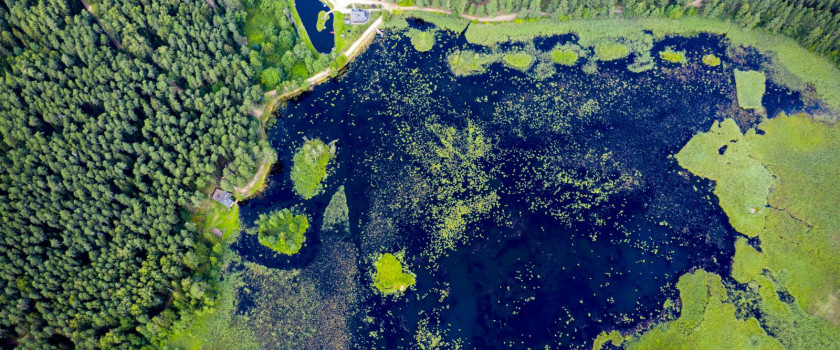
The Bulėnai Telmological Reserve protects a wetland complex with biocenoses typical of the Samogitian Highlands. The objectives of the Linartai and Sodeliuki Genetic Reserves are: - to preserve the genetic diversity of the pine population in the face of a changing environment and to ensure the recovery or restoration of this population by means of its reproductive material.
 Nature Heritage Site
 Visitor centre
 Other natural object
 Cultural heritage object
Visitor centre
Cultural heritage object
Visitor centre
 Cognitive, educational trail
 Other path, route
 Campsite
 Holiday resort
 Bird observation site
 Camping
Protected areas attract visitors with their natural and cultural values. Often, when visiting a national or regional park, they want to take out a souvenir or just a good memory. In order to draw visitor‘s attention to the products and services produced by the local population, a product label for Protected areas has been created. A stylized ethnographic bird was chosen as a brand for Protected Areas.
The product label of Protected areas helps to recognize that the product is organic, authentic, produced by the local people, without harming the environment and wildlife, and favorable to human health.
The holder of the mark will primarily be the person who resides or operates in the protected area and does not violate protected values through his activities. The aim is to stimulate the local economy, facilitate the living in protected areas, and promote partnership between the local people and the management of protected area.
The list of products and services offered by protected areas can be various: honey, herbal tea, jams, accommodation, catering, guide services, traditional handicrafts, etc.
The product label of protected areas is one of the measures to promote sustainable tourism. It is intended for local producers, craftsmen, tourism service providers and other local residents, who contribute to the sustainable development of tourism in Lithuanian protected areas through their activities.
The product mark symbol (bird) of Protected areas is common to all protected areas of Lithuania, only the names of parks differ. There are 5 national and 30 regional parks in Lithuania.
So when you arrive at Dzūkija National Park, you can purchase black pottery created by local masters, and when traveling around Rambynas Regional Park, don't forget to buy honey collected by bees on the flooded meadows of Nemunas or a herbal tea collected in the forests of Sirvėta Regional Park.
The Protected Areas product label aims to encourage local people to engage in nature-friendly activities and park visitors- to purchase exclusive, authentic, ecological products.
Documents to obtain The Product Areas product label:
ST_prod_zenklo_KOMISIJOS_REGLAMENTAS_14.docx
ST_prod_zenklo_naudojimo_gaires_12.pdf
ST_prod_zenklo_NUOSTATAI_12.docx

 Geological
 Geomorphologic
 Hydrogeological
 Hydrographic
 Botanical
 Zoological
 Nature school
 Visitor centre
 Nature Heritage Site
 Visitor centre
 Other natural object
 Cultural heritage object
 Cognitive, educational trail
 Other path, route
 Campsite
 Holiday resort
 Bird observation site
 Camping

