
1992 year
17004 he.
Ph. No.
Email
https://dzukijossuvalkijosstd.lrv.lt/lt/arp/
EXCLUSIVE VALUE OF THE REGIONAL PARK
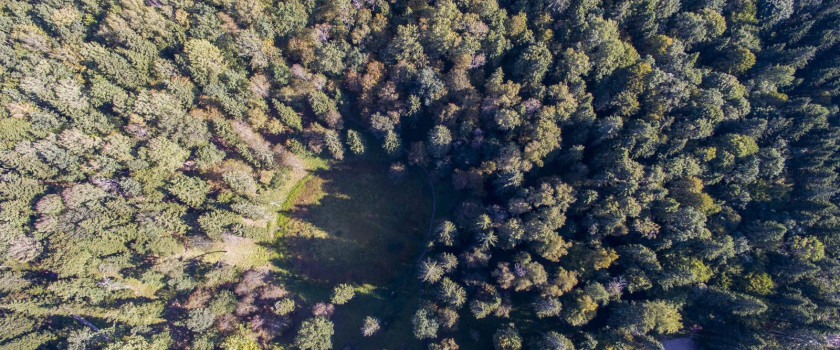
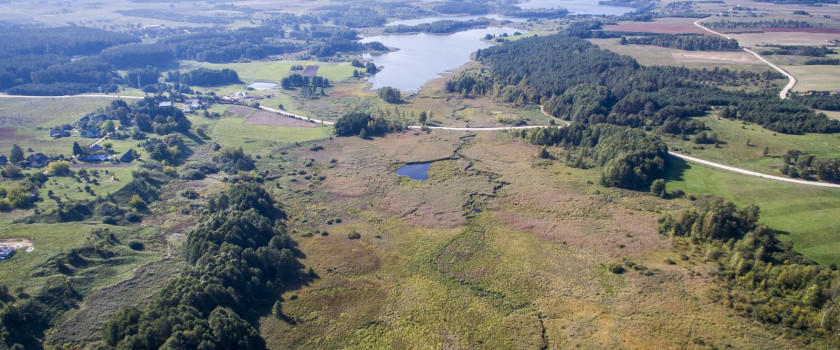
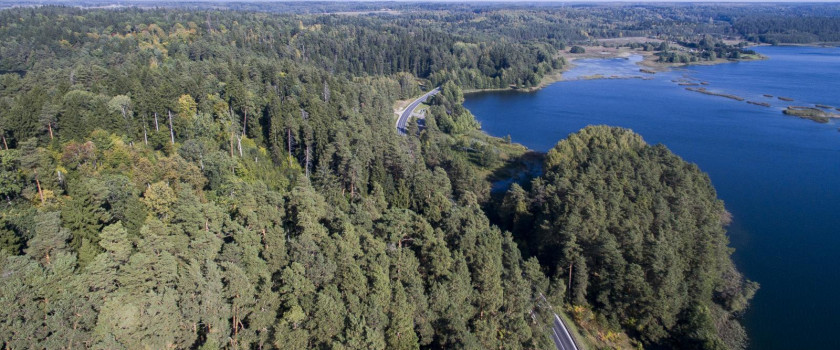
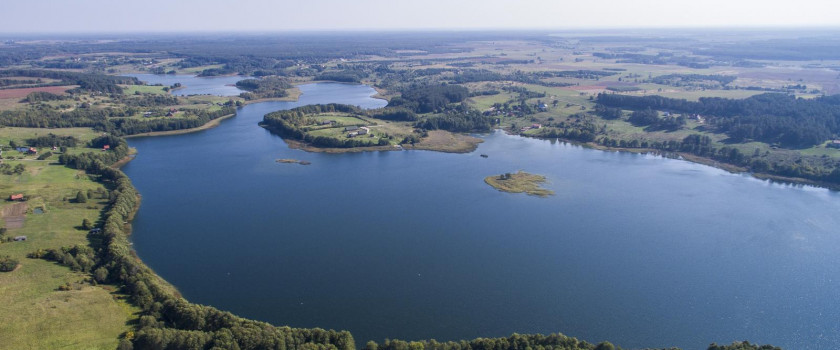
Especially diverse and picturesque Aukštadvaris hills’ landscape with lake-rich upper reaches of Verknė and Strėva featuring deep pits (devil’s pits), high hills, lakes, river headwaters, and exceptionally abundant biological diversity. Here one may see the habitats of steppe grasslands of Southern Europe and of the West Siberian taiga. It also features the Devil’s pit which is known beyond the borders of Lithuania. Only in the water bodies in this regional park one can see a growing Nasturtium officinale. The regional park is crossed by the Royal highway.
Aukštadvaris Regional Park lies within the Dzūkija Uplands, a region known for its forested lake systems, glacio-fluvial and moraine landforms, and the upper reaches of the Verknė and Strėva Rivers. The park’s unique terrain, shaped by the last glaciation, offers exceptional ecological diversity, educational value, and recreational opportunities.
The park features a rich variety of natural landforms, including:
Lake complexes in tunnel valleys and moraine depressions
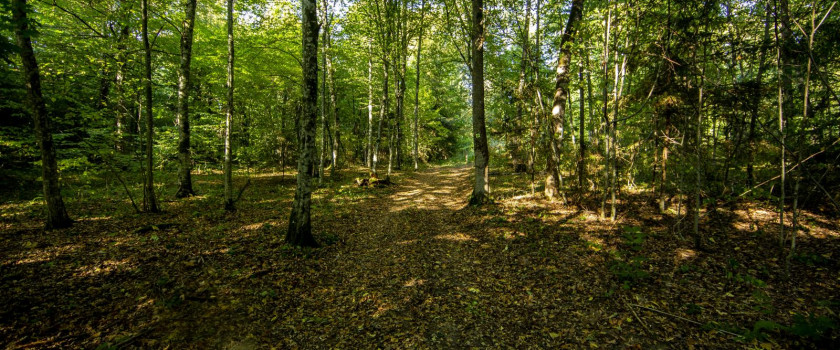
Steep-sloped forested hills and ridges
Undulating glacio-fluvial terraces
Deep erosional valleys and thermokarst depressions
Gently urbanized lake shores and riverbanks
These landforms shape a landscape of rare natural beauty and ecological significance, providing habitats for diverse species and a refuge for sensitive ecosystems.
Aukštadvaris Regional Park includes multiple habitat types of European Community importance, such as:
Sub-Atlantic oak-hornbeam forests
Juniper formations on heathlands
Hard oligo-mesotrophic lakes
Watercourses with characteristic aquatic vegetation
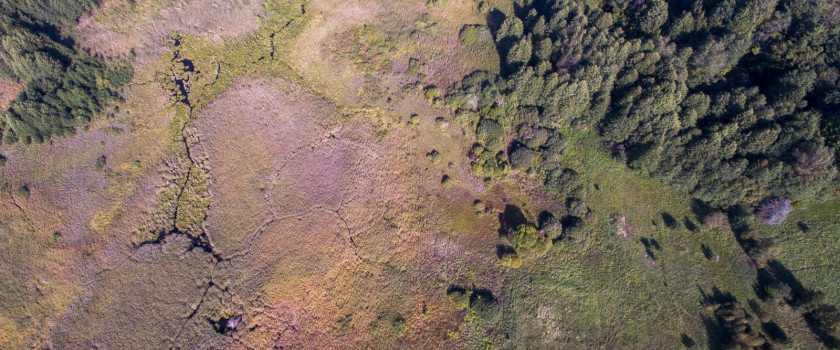
Semi-natural dry grasslands, Molinia meadows, alkaline and calcareous fens, bog woodlands, and Western Taiga
Plants: 954 species, with 7 protected by the EU and 76 listed in the Lithuanian Red Data Book
Mammals: 54 species (18 EU-protected, 14 in the Red Data Book)
Birds: 167 species (39 EU-protected, 44 in the Red Data Book)
Fish: 33 species
Amphibians & Reptiles: 18 species (9 EU-protected, 5 in the Red Data Book)
Invertebrates: 1,064 species (8 EU-protected, 19 in the Red Data Book)
To preserve this rich biodiversity and cultural heritage, the park includes:
1 Strict Nature Reserve: Mergiškiai, protecting old-growth forests and habitats of rare species like Hordelymus europaeus, Cucujus cinnaberinus, and Dendrocopos leucotos
16 Reserves: Including 7 landscape, 4 hydrographical, 1 botanical, 1 botanical-zoological, 1 archaeological, 1 historical, and 1 urban reserve
These reserves safeguard:
Unique glacial landforms such as the Gedanonys Hills and Devil’s Pit
Ethnographic villages, burial mounds, manor landscapes, and mythological sites
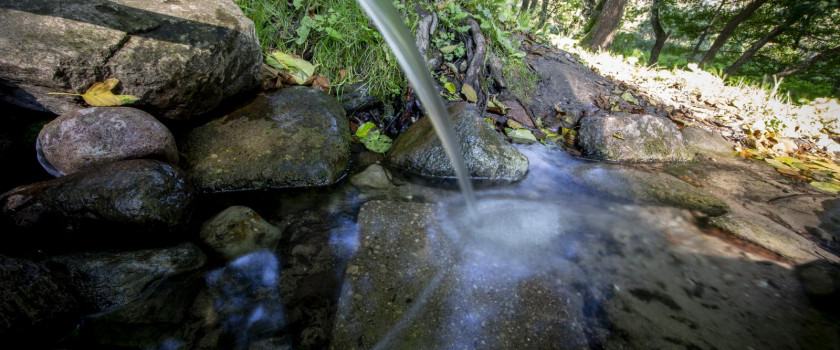
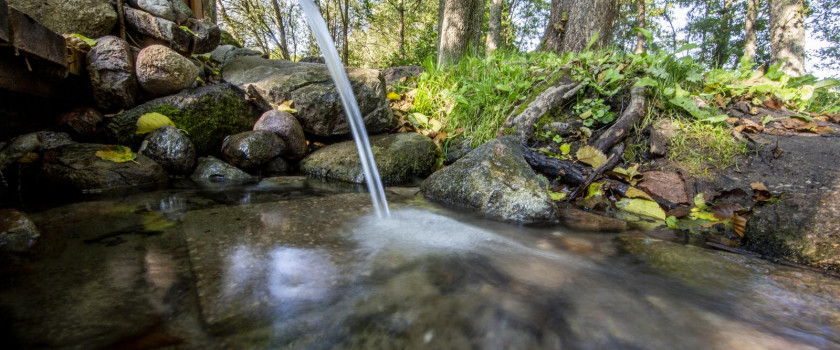
River systems with rare aquatic habitats and natural springs
Biodiversity hotspots with EU-protected species like Lutra lutra, Cypripedium calceolus, and Bombina bombina
Mergiškiai Reserve: High-relief forest landscape with protected fauna and flora
Saloviškiai & Spindžius: Rich in cultural heritage and unique geomorphological features
Upper Verknė and Strėva River Valleys: Featuring oxbow lakes, springs, and rare plant habitats
Vilkokšnis and Tabaliukai: Tunnel valleys, cirques, sacred places, and rare fens
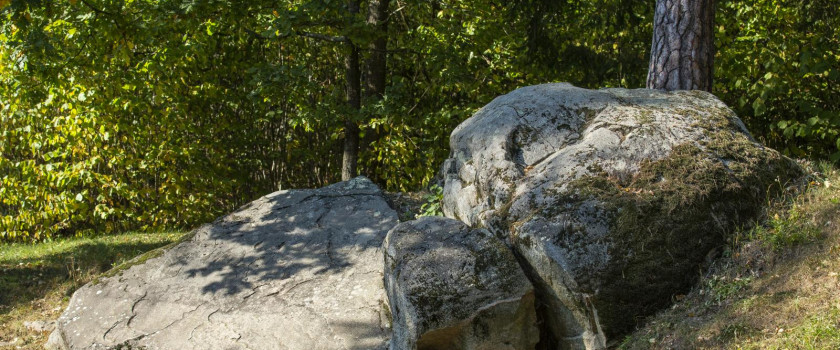
Natural Monuments: Devil’s Pit and Nikronys Rock
Cultural Sites: 42 protected objects including mounds, burial sites, manor estates, and WWII cemeteries
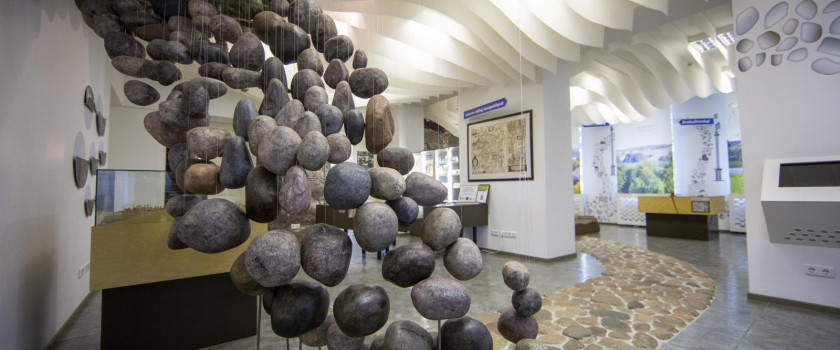
Museums: “The Royal Highway” exhibition at the Park Visitor Centre and a Local History Museum at Aukštadvaris Gymnasium
The park is also a hub for ethnographic and ecological events, such as:
Earth Week and Nature Protection Day
Traditional hikes (e.g., Midwinter Walk, Perkūnas Day)
Seasonal festivals (e.g., Easter egg painting, Shrovetide, Advent evenings)
 Nature Heritage Site
 Visitor centre
 Other natural object
 Cultural heritage object
 Other cultural object
Visitor centre
Other cultural object
Visitor centre
 Cognitive, educational trail
 Other path, route
 Campsite
 Holiday resort
 View Place
 Nature Heritage Site
 Visitor centre
 Other natural object
 Cultural heritage object
 Other cultural object

 Geological
 Geomorphologic
 Hydrogeological
 Hydrographic
 Botanical
 Zoological
 Nature school
 Visitor centre
 Cognitive, educational trail
 Other path, route
 Campsite
 Holiday resort
 View Place
 Handmade products
 Services
 Food products

