18063 he.
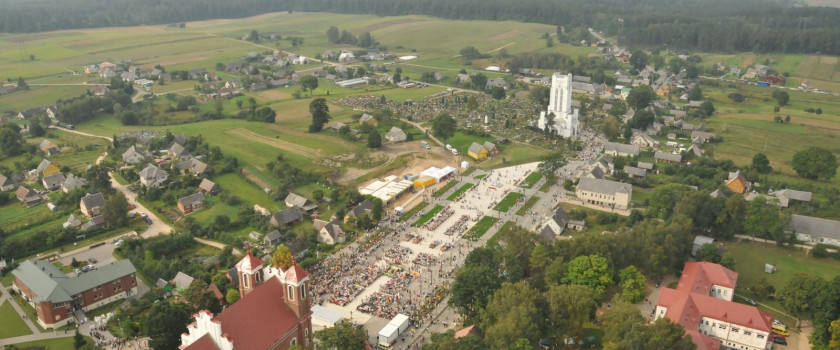
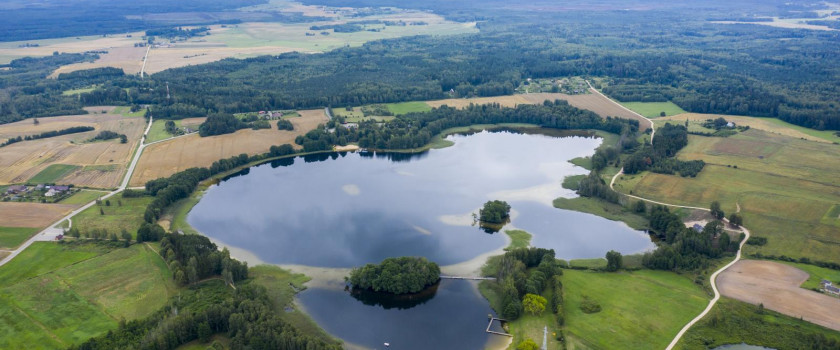
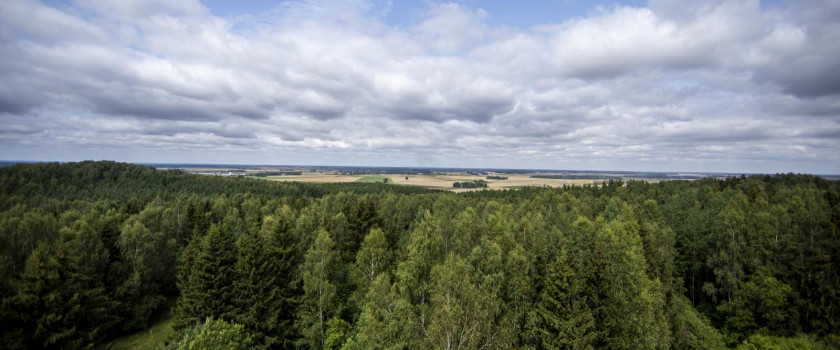
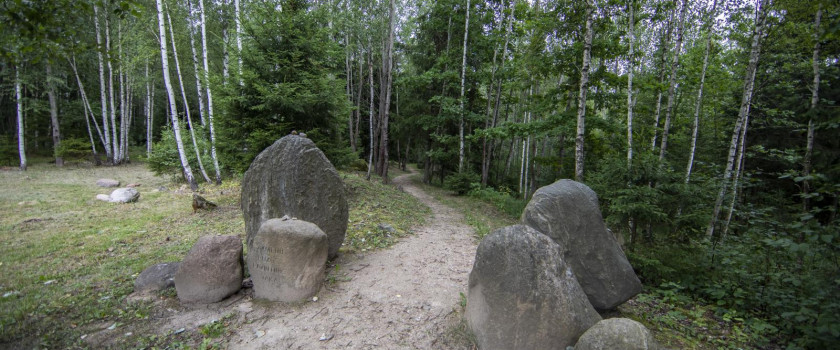
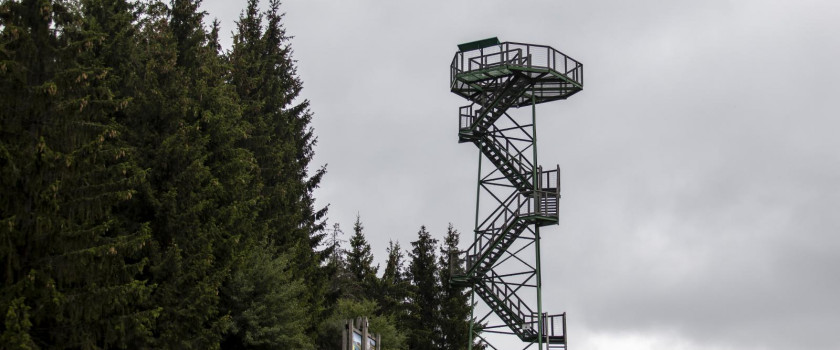
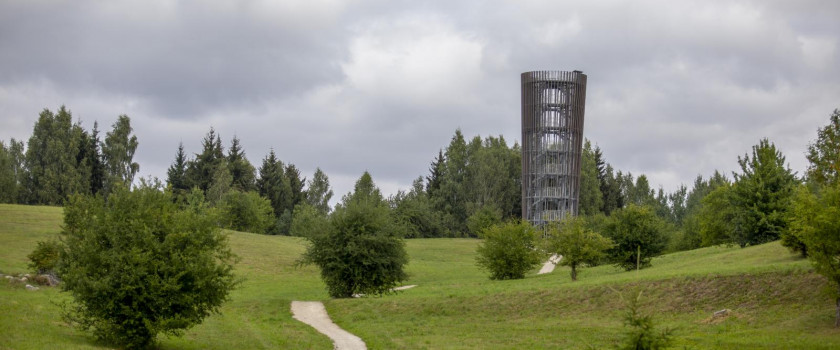
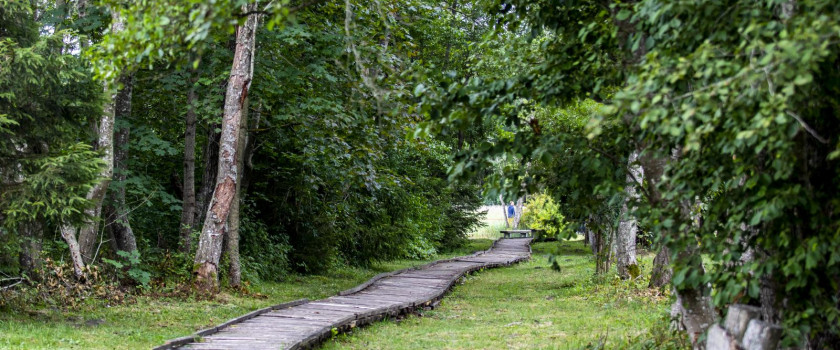
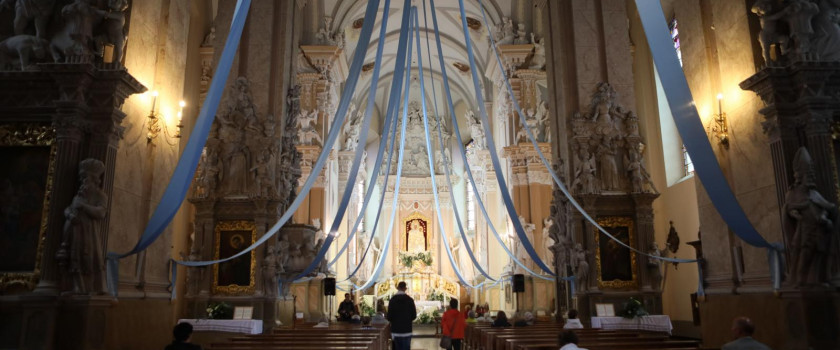
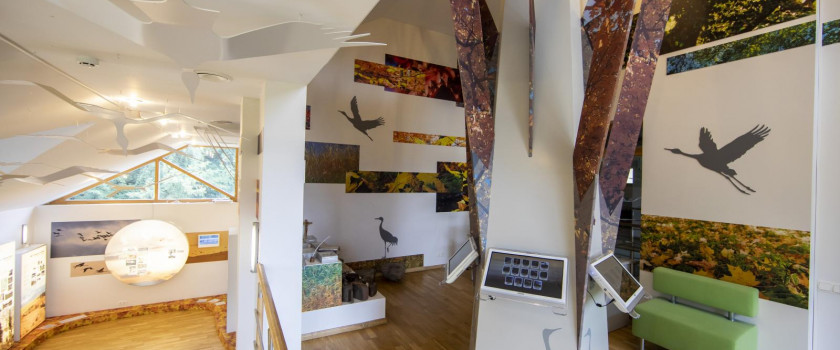
Landscape diversity: hilly, forested, laky, swampy, and cultural in Tytuvėnai and Šiluva. Exclusive feature: long stripes of stones left by the glacier. Woodland here are called tyruliai. Thousands of cranes gather here every year during migrations. Exclusive complex of Tytuvėnai Church. It is one of the most famous provincial buildings of this type in the Eastern Europe. Šiluva and their surrounds are of extreme importance for pilgrims. The Šiluva indulgence feast that has been celebrated for over 500 years attracts thousands of pilgrims from Lithuania and abroad.
The Tytuvėnai Regional Park is situated in the touching area of glacio-fluvial and morainic landforms in the landscape area of the Eastern Samogitian Upland (plateau) characterised by the watershed ecosystem landscape of Dubysa River midsection and Šušvė River upper reaches. The park is characterised by special sacral cultural heritage objects, and large pilgrim tourism potential.
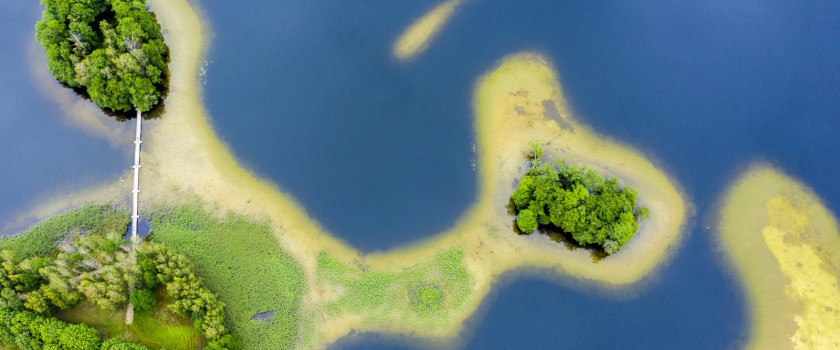
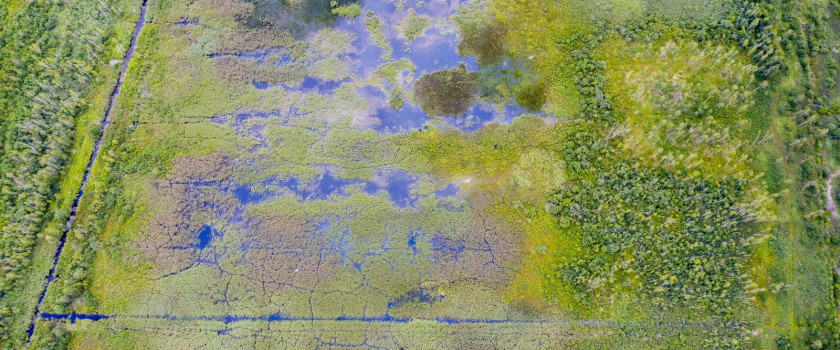
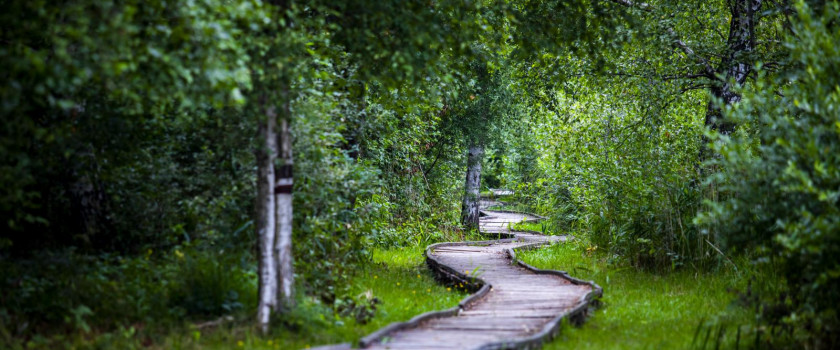
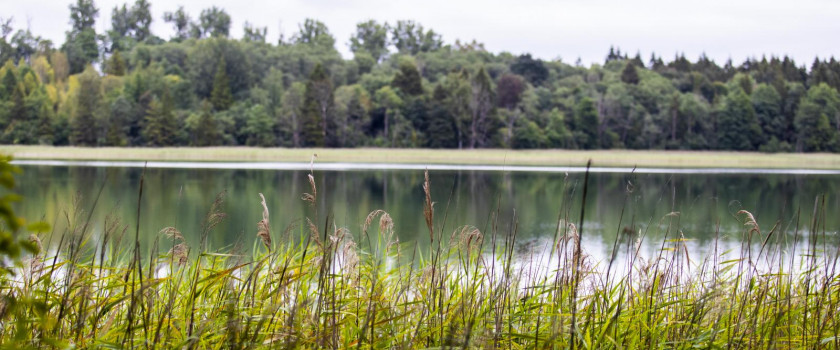
The landscape diversity of the Tytuvėnai Regional Park has been created by the following major landscape types: forested undulating glacio-fluvial elevations, cultivated undulating morainic elevations, forested and little cultivated glacio-fluvial hill fields, forested morainic plains, forested undulating glacio-fluvial plains, forested and cultivated morainic hill fields and ridges, urbanized undulating glacio-fluvial elevations, forested and little cultivated fragmented tunnel valley lakes, erosional ravines, forested swampy and lake-rich swampy waterholes and large wetland complexes
These are the territories of European Community importance (code, title) found in the park: 3140 Hard oligo-mesotrophic waters with benthic vegetation, 3150 Natural eutrophic lakes with Magnopotamion or Hydrocharition-type vegetation, 3160 Natural dystrophic lakes and ponds, 6230 Species-rich Nardus grasslands, 6270 Fennoscandian lowland species-rich dry to mesic grasslands, 6410 Molinia meadows on calcareous, peaty or clayey-silt-laden soils (Molinion caeruleae), 6450 Northern boreal alluvial meadows, 6510 Lowland hay meadows (Alopecurus pratensis, Sanguisorba officinalis), 7140 Transition mires and quaking bogs, 7160 Fennoscandian mineral-rich springs and springfens, 7230 Alkaline fens, 9010 Western taiga, 9020 Fennoscandian hemiboreal natural old broad-leaved deciduous forests (Quercus, Tilia, Acer, Fraxinus or Ulmus) rich in epiphytes, 9050 Fennoscandian herb-rich forests with Picea abies, 9080 Fennoscandian deciduous swamp woods, 9180 Tilio-Acerion forests of slopes, screes and ravines, 91D0 Bog woodland, 91E0 Alluvial forests.
The total number of plant species is 603, of these 32 are included in Lithuania‘s Red Data Book. The total number of animal species is 787. Mammals – 37, of these 1 is protected by the European Community, and 4 are included into the Lithuania’s Red Data Book. Birds – 142, of these 14 are protected by the European Community, and 23 are included into the Lithuania’s Red Data Book. Amphibians and reptiles – 11. Invertebrates – 586, of these 550 are moths, and of these 18 are included into the Lithuania’s Red Data Book.
The following zones have been established in the Tytuvėnai Regional Park to protect its natural and cultural heritage values: 1 strict nature reserve and 11 reserves (2 landscape, 1 geomorphological, 1 botanical-zoological, 3 telmological, 1 genetic, 1 urban, and 1 architectural).
The Užpelkiai Strict Nature Reserve has been established to protect the ecosystem of wetland and deciduous swamp woods with the habitats of the European Community importance (deciduous swamp woods and alluvial forests), protected plant and animal species, especially the habitats of Dactylorhiza baltica, Dactylorhiza incarnata, Platanthera chlorantha, Huperzia selago, Lycaena dispar, Euphydryas maturna, Coenonympha hero, Lopinga achine.
The landscape reserves have been established to protect: Bridvaišis – the landscape of a distinctive glacio-fluvial peripheral ridge and the surrounding forested wetland complexes and the Bridvaišis Lake glaciokarst hollow; the Fennoscandian deciduous swamp woods and bog woodland habitats of the European Community importance, the supposed necropolis called Pile; Gomerta – the landscape of a particularly distinctive Eastern Samogitian Plateau glacio-fluvial glacier peripheral hill field with subglacial and glaciokarst relief landforms characterised by high geomorphological, hydrological, botanical-zoological, archaeological, mythological and historical value with the populations of the European Spruce in the Butkiai forest and Šaukotas forest; the habitats of the European Community importance – Alkaline fens, Fennoscandian mineral-rich springs and springfens, Transition mires and quaking bogs, Western taiga, Fennoscandian hemiboreal natural old broad-leaved deciduous forests (Quercus, Tilia, Acer, Fraxinus or Ulmus) rich in epiphytes, Herb-rich spruce, Fennoscandian deciduous swamp woods, Alluvial forests and Bog woodland; the habitats of the protected plant and animal species, especially Dactylorhiza cruenta, Pinguicula vulgaris, Malaxis paludosa, Dactylorhiza maculata, Huperzia selago, Liparis loeselii, Betula humilis, Lutra lutra, Leucorrhinia pectoralis, Leucorrhinia albifrons, Euphydryas aurinia, Lycaena dispar.
The Vičiai Geomorphological Reserve has been established to protect the distinctive Vičiai glacio-fluvial peripheral ridge with the habitats of the European Community importance – Western taiga, Herb-rich spruce, Deciduous swamp woods, Bog woodlands and Alluvial forests.
The botanical-zoological reserves have been established to protect: Apušis – the Apušis Lake and the surrounds with the habitats of the European Community importance – Natural eutrophic lakes with Magnopotamion or Hydrocharition -type vegetation, Molinia meadows on calcareous, peaty or clayey-silt-laden soils (Molinion caeruleae), Lowland hay meadows, Fennoscandian mineral-rich springs and springfens, Transition mires and bogs, Alkaline fens and Alluvial forests; the habitats of the protected plant and animal species, especially Primula farinosa, Dactylorhiza baltica, Dactylorhiza incarnata, Botaurus stellaris, Porzana porzana, Lycaena dispar, Phengaris teleius, Euphydryas aurinia; Užpelkiai – the Užpelkiai forest with the habitats of the European Community importance – Lowland hay meadows, Alluvial meadows, Molinia meadows on calcareous, peaty or clayey-silt-laden soils (Molinion caeruleae), Alkaline fens, Western taiga, Fennoscandian hemiboreal natural old broad-leaved deciduous forests (Quercus, Tilia, Acer, Fraxinus or Ulmus) rich in epiphytes, Herb-rich spruce, Fennoscandian deciduous swamp woods, Alluvial forests and Bog woodland; large diversity of plant communities; the habitats of the protected plant and animal species, especially the growing sites of Orchis mascula, Dactylorhiza baltica, Dactylorhiza fuchsii, Dactylorhiza incarnata, Primula farinosa, Pinguicula vulgaris, Huperzia selago, Platanthera chlorantha, Neckera pennata, and habitats of Lutra lutra, Euphydryas maturna, Lycaena dispar, Grus grus, Clanga pomarina, Pernis apivorus, Picus canus the stone strip, and the Great Tytuvėnai stone.
The telmological reserves have been established to protect: Sandrausiškė – the natural wetland massif in the Šiluva tyrelis peat bog with the transition mire and quaking bog as well as bog woodland habitats of the European Community importance; Šiluva tyrelis – the natural Plekaičiai wetland with the herb-rich spruce, Western taiga and bog woodland habitats of the European Community importance; nesting sites of the Grus grus; Šimša – Šimša wetland complex with the alkaline fen and deciduous swamp woods habitats of the European Community importance; the habitats of the protected plant and animal species, especially Primula farinosa, Dactylorhiza incarnata, Dactylorhiza ochroleuca, Dactylorhiza baltica, Alcedo atthis, Dryocopus martius.
Šiluva Forest Pine Genetic Reserve has been established to protect the genetic diversity of the Šiluva forest Pinus sylvestris population
The Šiluva Urban Reserve has been established to protect the historically established layout and spatial structure of the Šiluva town, and the complex of the the Basilica of the Birth of the Virgin Mary.
The Tytuvėnai Architectural Reserve has been established to protect the Tytuvėnai St. Virgin Mary Church and the Bernardine monastery architectural ensemble.
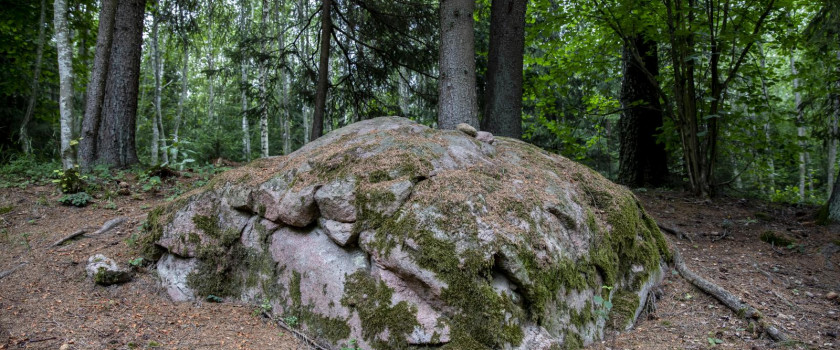
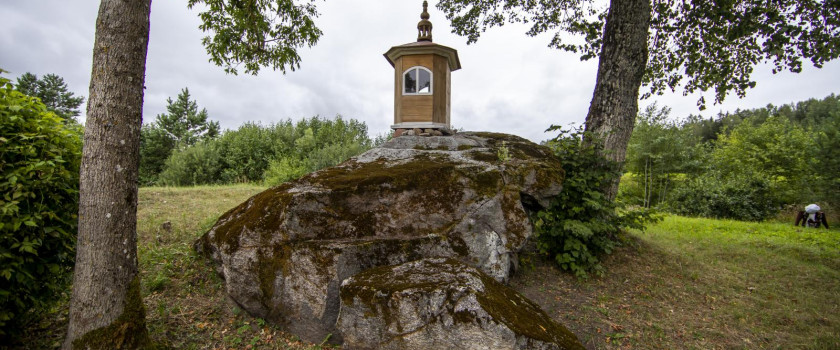
There is one natural heritage object in Tytuvėnai Regional Park – a nature monument called Akmenė Rock, and 35 cultural heritage objects, of which 6 are a cultural monuments.

 Nature Heritage Site
 Visitor centre
 Cultural heritage object
 Museum, Exposition
 View Tower
 Cognitive, educational trail
 Other path, route
 Campsite
 Holiday resort
 View Place

 Geological
 Geomorphologic
 Hydrogeological
 Hydrographic
 Botanical
 Zoological
 Nature school
 Visitor centre
 Nature Heritage Site
 Visitor centre
 Cultural heritage object
 Museum, Exposition
 View Tower
 Cognitive, educational trail
 Other path, route
 Campsite
 Holiday resort
 View Place

