BDAR

Labanoras regional park

55.329, 26.102
How to get?
  • 1-labanoro-regioninis-parkas-5c76d87ca1c36.jpg
  • 1-labanoro-regioninis-parkas-5c76d85634f61.jpg
  • 1-labanoro-giria-5c76dc1803700.jpg
  • 1-labanoro-regioninis-parkas-5c76d866afaed.jpg
  • 1-labanoro-regioninis-parkas-5c76d87159746.jpg
  • 1-labanoro-regioninis-parkas-5c76dbeabcada.jpg
  • 1-labanoro-regioninis-parkas-5c76dc024fb78.jpg
  • 1-labanoro-regioninis-parkas-5c76dc0c7828b.jpg
  • 1-labanoro-regioninis-parkas-5c76dc106de7f.jpg
  • 1-erelio-zuvininko-medziokle-5b31655146469.jpg
  • 1-ereliu-zuvininku-pora-labanoro-regioniniame-parke-5c7e3034b10b5.jpg
  • 1-labanoro-regioninis-parkas-5c76dc279aabb.jpg
  • 1-labanoro-regioninis-parkas-5c76dc29832e4.jpg
  • 1-labanoro-regioninis-parkas-5c76d844c1dc8.jpg

Data

Year of establishment

1992 year

Area

55320 he.

Regional park group


Ph. No.
Email
https://aparkai.lt

Objectives of the establishment

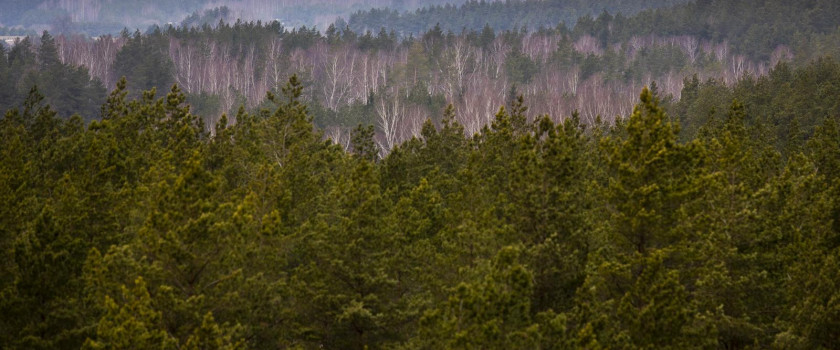
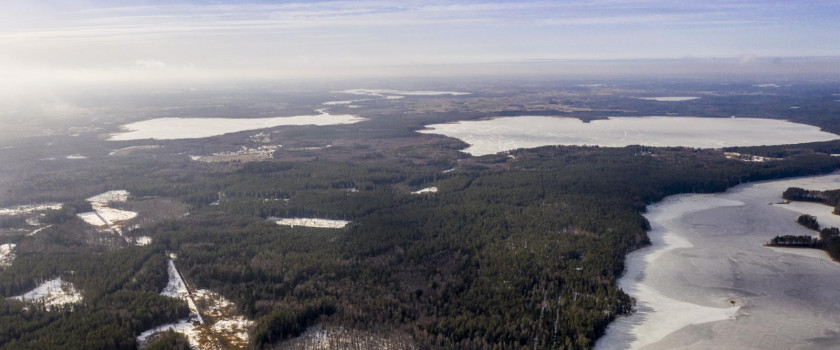
Labanoras Regional Park protects the landscape of Labanoras Forest and its lakes. It is the largest regional park in Lithuania, not far behind the largest protected area in Lithuania - Dzūkija National Park. Labanoras Regional Park was established to preserve: 

  • the particularly valuable Labanoras forest and lake area with Aisetas, Kertuojai, Lakajai, Rašia, Stirniai and other lakes, the Beržalotas raised bog;
  • cultural heritage values, including urban and ethnocultural complexes, burial mounds and others;
  • the stability of the natural ecosystem, biota components, unique flora and fauna, natural fish migration routes and spawning grounds.

Exceptional value

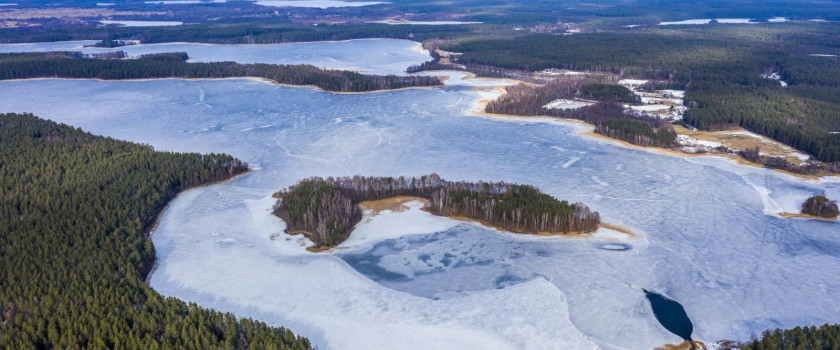
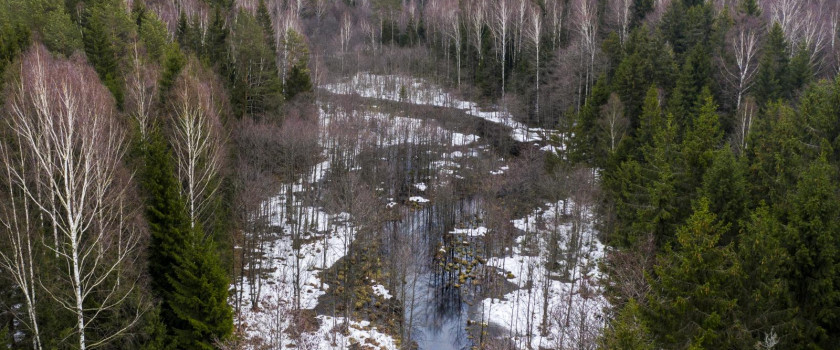
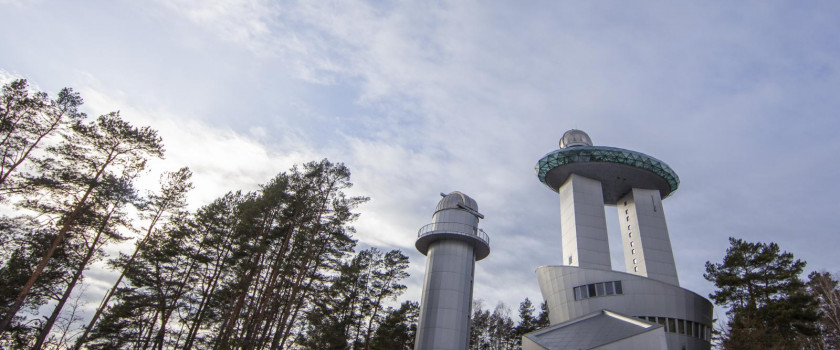
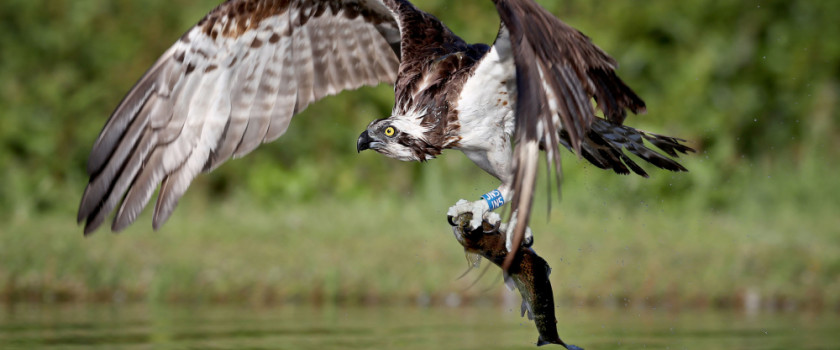
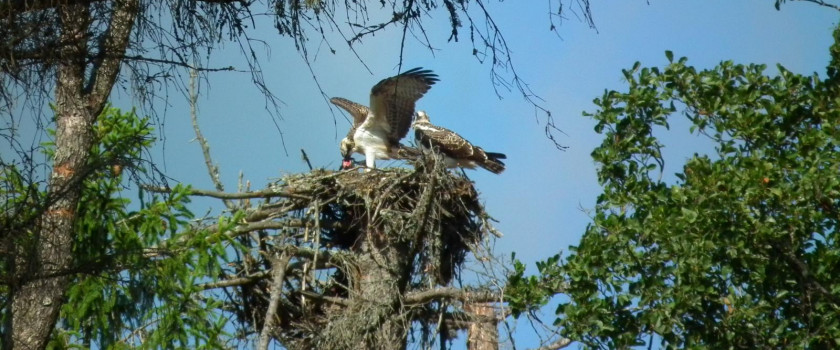
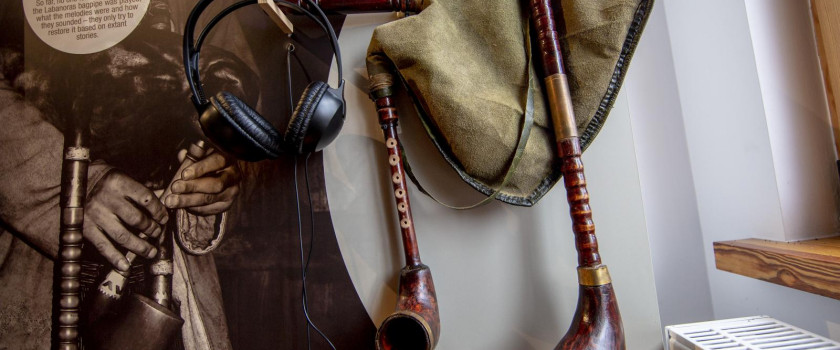
It is the largest regional park in the country with the vast quantities of natural values and probably the greatest biological diversity. The regional park is dotted with water bodies: from the small quagmires to the large Stirniai, Lakajai and Kertuoliai lakes. The large lakes have branches and horns – especially narrow peninsulas. Unique Girutiškis and Beržalotas wetlands are of great importance not only for Lithuania. Osprey is the symbol of the regional park. Labanoras forest contain unique cultural heritage: traditional wooden architecture of villages, and old traditions of ethno-cosmology. Only here we find the only museum of ethno-cosmology in the world, and an archaic celestial bodies’ observation station. To the present day one can hear the sounds of Labanoras pipe.

Landscape

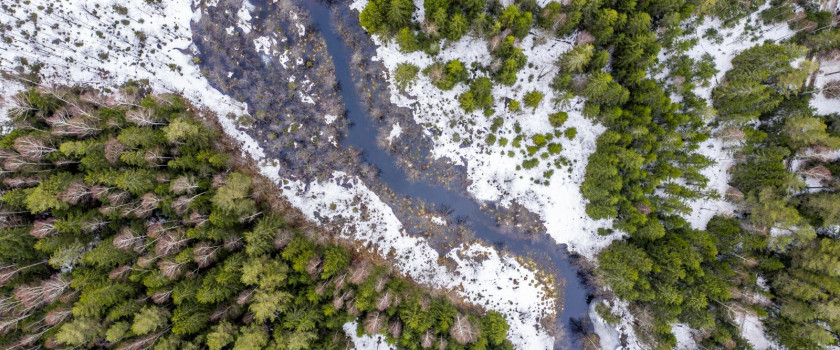
The regional park is situated in the transition zone of the glacio-fluvial landforms, between the hills of Baltic upland strip and the hills of the northern Nalšia (Švenčionys) uphill strip. The park also contains Šventoji-Žeimena watershed ecosystem and one of the largest in Lithuania laky forests with the valuable from the urban perspective Labanoras town. The landscape of the regional park is characterised by the unique objects of natural and cultural heritage, and large recreational and educational tourist potential.

Labanoras Regional Park is classified under the top category from the perspective of exceptional value of the landscape. The landscape diversity of the Labanoras regional park is determined by the following major landscape types: forested region of glacial lakes (systems of tunnel valleys), groups of forested small lakes, agrarian lakes region, forested laky swampy waterholes, shallow forested terrace valleys, forested glacio-fluvial old valleys, forested undulating glacio-fluvial elevations, forested undulating glacio-fluvial plains, forested glacio-fluvial hills, forested morainic uplands and ridges, agrarian morainic uplands, forested swampy waterholes, and ethno-cultural settlements.

Biological diversity

These are the territories of European Community importance (code, title) found in the park: 3130 Oligotrophic to mesotrophic standing waters with vegetation of the Littorelletea uniflorae and/or of the Isoėto-Nanojuncetea; 3140 Hard oligo-mesotrophic waters with benthic vegetation; 3150 Natural eutrophic lakes with Magnopotamion or Hydrocharition – type vegetation; 3160 Natural dystrophic lakes and ponds; 3260 Water courses of plain to montane levels with the Ranunculion fluitantis and Callitricho-Batrachion vegetation; 6230 Species-rich Nardus grasslands, on silicious substrates in mountain areas (and submountain areas in Continental Europe); 6410 Molinia meadows on calcareous, peaty or clayey-silt-laden soils; 6510 Lowland hay meadows; 7110 Active raised bogs; 7140 Transition mires and quaking bogs; 7230 Alkaline fens; 9010 Western Taiga; 9080 Fennoscandian deciduous swamp woods; and 91D0 Bog woodland. 

The total number of plant species is 1,020, of these 8 are protected by the European Community, 67 are included in Lithuania’s Red Data Book. The total number of animal species is 1,669. Mammals – 40, of these 4 are protected by the European Community, and 6 are included into the Lithuania’s Red Data Book. Birds – 195, of these 42 are protected by the European Community, and 49 are included into the Lithuania’s Red Data Book. Fishes – 40, of these 6 are protected by the European Community, and 2 are included into the Lithuania’s Red Data Book. Amphibians and reptiles – 10, of these 4 are protected by the European Community, and 4 are included into the Lithuania’s Red Data Book. Invertebrates – 1384, of these 11 are protected by the European Community, and 30 are included into the Lithuania’s Red Data Book. 

Reserves

The following reserves have been established in the Labanoras Regional Park to protect its natural and cultural values: 2 strict nature reserves and 36 reserves – 7 landscape, 5 geomorphological, 6 hydrographical, 1 botanical, 4 botanical-zoological, 12 telmological and 1 urban reserve(s). 

The strict nature reserves have been established to protect: Girutiškis – the unique to Aukštaitija Girutiškis wetland of thermokarst origin, with the Beržalotas mire, crane and Osprey nesting grounds and one of the largest Betula nana populations; Kiauneliškis – the old, mature pine forest – a characteristic pine-covered sandy undulating Aukštaitija lowlands plain and Capercaille visiting sites. 

The landscape reserves have been established to protect: Aisetas – the beautiful landscape of the longest lake in Lithuania with its impressive hydrographical complex of peninsulas and islands, the biocenoses characteristic to the Aukštaitija region, and the ethnographically valuable Pasiekščiai village; Kulionys – one of the most distinctive examples of a characteristic hilly morainic and lakes landscape of great natural and cultural value, with its rich archaeological complex, and the typical lake and forest communities; Lakaja – the typical forested valley landscape with a clear hydrographical structure, rare species and ethno-cultural values; Lakajai – one of the most beautiful examples of a forests and lakes landscape in Aukštaitija, unique for its peninsulas, islands, typical biocenoses, rare species of plants and animals, and other values of natural and cultural heritage; Obelynė – an example of a distinctive forested landscape with an abundance of lakes, with a unique small thermokarst lakes complex and ethno-cultural values; Pažemys – a typical example of an impressive forested landscape with lakes, and valuable biocenoses as well as geomorphological and ethno-cultural values; Peršokšna – the typical forested valley landscape with a distinctive hydrographical structure, rare plant and animal species, and ethno-cultural values.

The geomorphological reserves has been established to protect: Maldžiūnai – a distinctive laky tunnel valley that has formed beside a morainic landscape with the typical flora; Panatrytis – the complex of distinctive morainic ridge and thermokarst hollows that has formed by the last glacial period southern Lithuanian phase; Pliešiškės – the kame plateau complex; Salduškis – the natural complex of glacio-fluvial zone laky tunnel valley; Žiežulinis – the characteristic example of a laky branched-out tunnel valley complex exhibiting an distinctive morphological structure. 

The hydrographical reserves have been established to protect: Alnis – the natural structure of the lake with the islands and peninsulas; Kertuojai – the greatest glacial lake bed hydrographical complex and its lakeshore wetlands and forests; Luknelė – the natural shallow and relatively linear river valley, the characteristic hydrographical standard of a forested, sandy plains; Peršokšnai – one of the most distinctive in Lithuania Labanoras forest lake configuration with islands and peninsulas; Siesartis – the unique hydrographical structure of the Siesartis Lake watershed with its islands and peninsulas; Stirniai – the distinctive structure of one of the largest lakes in the Aukštaitija region which features a complicated configuration, and is distinguished by its multitude of islands and peninsulas and its great geo-ecological importance.

The Mekšrinis Botanical Reserve has been established to protect the wetland aquatic plant life with its abundant population of Cladium mariscusnio.

The botanical-zoological reserves have been established to protect: Antaliedė – the typical natural complexes of swampy forests and lakes with an abundance of habitats of the protected plant species – Lycopodiella inundata, Carex heleonastes, Lobelia dortmanna, Salix myrtilloidesų, etc, and breeding grounds of rare animals; Kanys marsh – the natural complexes of Kanio mire and other raised bogs surrounded by mature damp pine forests and the nesting grounds of rare birds such as Pandion haliaetus, Grus grus, and abundant and varied plant life including habitats of the protected plants – Isoetes lacustris, Botrychium virginianum, Carex heleonastes, Swertia perennis, etc.; Kuliakampis – the swampy forested and laky natural complex characteristic to sandy plains with rare plant and animal species; Padumblė – the typical swampy small stream valley distinguished by its rare plant and animal species.

The telmological reserves have been established to protect: Alsuodis – the typical wetland pit with an eutrophic lake containing rare plant and animal species; Dumblis – the typical wetland pit with an eutrophic lake distinguished for its rare plant and animal species; Ešerinis I – the typical wetland pit and eutrophic lake complex; Ešerinis II (Ašarinis) – the typical wetland pit and eutrophic lake complex; Juodežeris – the typical wetland pit complex with rare plant and animal species and an eutrophic lake; Krakinis – the typical wetland pit complex with rare plant and animal species and an eutrophic lake; Laukagalis – the wetland pit complex with rare plant and animal species and its biocenoses; Serlediškis – the swampy pit complex of the Dumblė-Peršokšna River headwaters with its biocenoses; Snieginis – the typical wetland pit complex with rare plant and animal species and eutrophic lakes; Tramiai – the typical wetland pit with large eutrophic lakes distinguished for its rare plant and animal species; Urkis – the wetland pit complex with valuable bird nesting grounds and a eutrophic lake; Vadokšnas – the wetland pit complex with lakes and unique natural features, and its biocenoses.

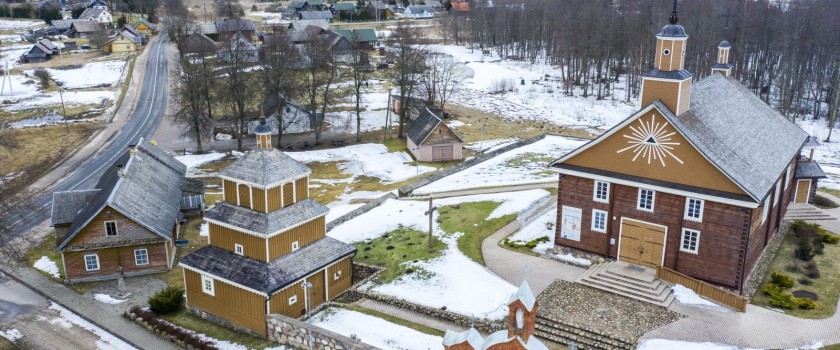
The Labanoras urban reserve has been established to protect the Labanoras town layout and spatial structure with its architectural and memorial values.

Heritage objects

There are 14 state protected natural heritage objects in Labanoras Regional Park. The most significant includes the following: Goat’s stone, Lakaja stone, the Highest Pine in Lithuania, Pabaltė Pine, Budriai walnut. There are 65 cultural heritage objects protected in the park, of which 16 are cultural monuments.

Visited objects

For visitors

Product brand

Labanoro RP

Protected areas attract visitors with their natural and cultural values. Often, when visiting a national or regional park, they want to take out a souvenir or just a good memory. In order to draw visitor‘s attention to the products and services produced by the local population, a product label for Protected areas has been created. A stylized ethnographic bird was chosen as a brand for Protected Areas.

The product label of Protected areas helps to recognize that the product is organic, authentic, produced by the local people, without harming the environment and wildlife, and favorable to human health.

The holder of the mark will primarily be the person who resides or operates in the protected area and does not violate protected values through his activities. The aim is to stimulate the local economy, facilitate the living in protected areas, and promote partnership between the local people and the management of protected area.

The list of products and services offered by protected areas can be various: honey, herbal tea, jams, accommodation, catering, guide services, traditional handicrafts, etc.

The product label of protected areas is one of the measures to promote sustainable tourism. It is intended for local producers, craftsmen, tourism service providers and other local residents, who contribute to the sustainable development of tourism in Lithuanian protected areas through their activities.

The product mark symbol (bird) of Protected areas is common to all protected areas of Lithuania, only the names of parks differ. There are 5 national and 30 regional parks in Lithuania.

So, when traveling through Labanoras Regional Park, don't forget to buy honey, herbal tea collected in the park's forests, or edible paintings.

The Protected Areas product label aims to encourage local people to engage in nature-friendly activities and park visitors- to purchase exclusive, authentic, ecological products.

Handmade products

Ratkutės dirbtuvėlės

Services

"Miniatures" Ekskursijos.com Ratkutės dirbtuvėlės Sodyba „Stirnelės viensėdis“

Food products

Bronislaw's honey Nature's guests Labanoras' wealth „Karveliškio dvaro“ gardumynai Rasos duona „Miniatiūros“

Visitor's Memo

VISITORS ARE PERMITTED TO:​​​​

  • rest only on sites clearly marked as recreation areas or rest areas;
  • camp (put up tents) only in equipped campsites;
  • make fires only in designated fire pits.

WE KINDLY ASK YOU TO:

  • protect the environment, our natural and cultural values, and conserve natural resources. Please refrain from cutting down trees or bushes, collecting rare plants, destroying anthills or bird nests. Please do not scare nesting birds, disturb animals, or change their environment in any way;
  • report any observed cases of the destruction of our natural and/or cultural values, ​​or other violations, to the police, the State Environmental Protection Agency, or to the Park Directorate;
  • be cautious with fire  – supervise bonfires, and do not leave one unextinguished;
  • upon noticing a fire, take all possible measures to extinguish it, but if this is not possible, immediately notify the local fire department or Park Directorate;
  • refrain from littering on roadsides, lakesides and other areas. Please leave recreation areas or campsites tidy, and sort rubbish using the instructions provided, if available;
  • comply with the requirements for driving and parking in forests and by lakes. Please park vehicles in designated areas and on roadsides, provided that this does not impede traffic, there are no prohibitory signs, the rights of other persons are not violated, and the environment is not harmed;
  • protect infrastructure for visitors, and to report to the police or Park Directorate if you see people destroying property;
  • follow the rules for boating in bodies of water;
  • when picking berries, mushrooms, or fishing, please follow the rules provided for the use of small forest resources, amateur fishing and fish protection;
  • not to violate the rights and interests of other visitors or local residents. Please respect others’ privacy; refrain from playing loud music, or otherwise disturbing or endangering the safety of other persons;
  • if you have any questions, please contact the Park Directorate.

VISITORS ARE STRICTLY PROHIBITED FROM:

  • visiting the following types of nature reserves from April 1st to September 1st each year, except for public roads and cultivated fields: thelmological (protected swamps), teriological (endangered bat reserves), herpetological (protected amphibian reserves), entomological (protected insect reserves), ornithological (protected bird reserves);
  • allowing dogs to run off leash, bathing them in public bodies of water or other public areas;
  • burying rubbish and other waste;
  • burning dry grass, reeds, fallen leaves, or household rubbish;
  • destroying or damaging slopes, or otherwise promoting erosion of the earth's terrain;
  • installing swings or other recreational/sports equipment.

Virtual tours

Labanoras Regional Park Visitor Center exhibition "In the Embrace of the Great Forest"


Labanoras Forest


Lake-filled forested landscape


Ščiūrys Horn


Girutiškis Nature Reserve


Kiauneliškis Nature Reserve


Kertuojai Mound


Labanoras Church and Belfry


Stirniai Church


Rudesa Church