
1992 year
8598 he.
Ph. No.
Email
https://dzukijossuvalkijosstd.lrv.lt/lt/dirp/
 Nature Heritage Site
 Visitor centre
 Cultural heritage object
Visitor centre
Cultural heritage object
Visitor centre
 Cognitive, educational trail
 Holiday resort
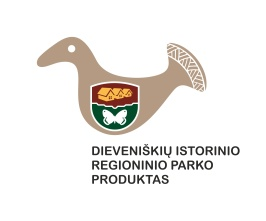
Protected areas attract visitors with their natural and cultural values. Often, when visiting a national or regional park, they want to take out a souvenir or just a good memory. In order to draw visitor‘s attention to the products and services produced by the local population, a product label for Protected areas has been created. A stylized ethnographic bird was chosen as a brand for Protected Areas.
The product label of Protected areas helps to recognize that the product is organic, authentic, produced by the local people, without harming the environment and wildlife, and favorable to human health.
The holder of the mark will primarily be the person who resides or operates in the protected area and does not violate protected values through his activities. The aim is to stimulate the local economy, facilitate the living in protected areas, and promote partnership between the local people and the management of protected area.
The list of products and services offered by protected areas can be various: honey, herbal tea, jams, accommodation, catering, guide services, traditional handicrafts, etc.
The product label of protected areas is one of the measures to promote sustainable tourism. It is intended for local producers, craftsmen, tourism service providers and other local residents, who contribute to the sustainable development of tourism in Lithuanian protected areas through their activities.
The product mark symbol (bird) of Protected areas is common to all protected areas of Lithuania, only the names of parks differ. There are 5 national and 30 regional parks in Lithuania.
So when you arrive at Dzūkija National Park, you can purchase black pottery created by local masters, and when traveling around Rambynas Regional Park, don't forget to buy honey collected by bees on the flooded meadows of Nemunas or a herbal tea collected in the forests of Sirvėta Regional Park.
The Protected Areas product label aims to encourage local people to engage in nature-friendly activities and park visitors- to purchase exclusive, authentic, ecological products.

 Geological
 Geomorphologic
 Hydrogeological
 Hydrographic
 Botanical
 Zoological
 Nature school
 Visitor centre
 Nature Heritage Site
 Visitor centre
 Cultural heritage object
 Cognitive, educational trail
 Holiday resort
 Services
 Food products

