Data
Year of establishment
1974 year
Area
40974 he.
Regional park group
Ph. No.
Email
https://aparkai.lt
Objectives of the establishment
Aukštaitija National Park was established to protect:
- The upper reaches of the Žeimena River ecosystem at the confluence of three unique landscape zones, the Ažvinčiai (Gervėčiai) Old Forest and Baltis Lake natural complexes, the Baluošas, Linkmenas-Ūkojas, Tauragnas and Utenas bowl-shaped valleys with their many lakes and forests, the Šiliniškės mid-lake ridge and the Ladakalnis, Benediktavas (Makiai) moraine massif and the Kiauna valley landscape, the Petriškė geomorphological and Būka, Juodupė, Švogina, Pliaušė, Labažė, Asalnai and Žeimena hydrographical complexes, the Kretuonas, Kretuonykštis, Knytis and Pažeimena biotic communties, as well as other rare and disappearing plants and animals, and other natural territorial complexes and objects.
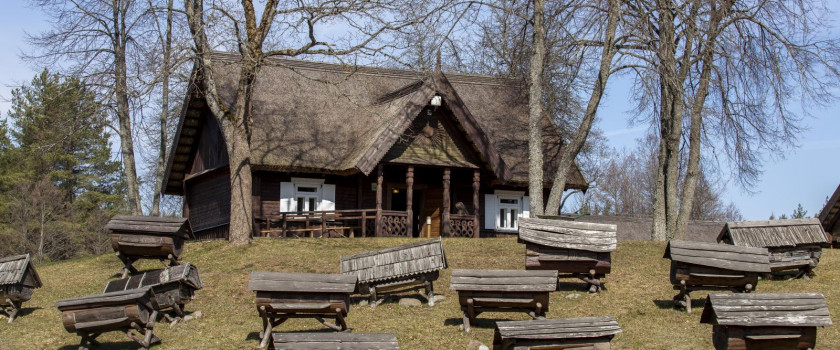
- The remains of 12th – 15th century north east Lithuanian defensive lines including the Taurapilis, Ginučiai, Puziniškis, Linkmenas, Vajuonis and other castle mounds, the Rėkučiai ancient defensive embankments, the unique Kretuonas archeological complex, the Minčia, Vyžai, Šakarva, Palūšė, Kaltanėnai, Šventa and other barrows and Stone Age settlements, the ethnographically valuable Salos (II), Varniškės (II), Vaišnoriškės, Šuminai (Pabaluošė), Strazdai (Šariškė), Kretuonys, Benediktavas and other villages also rich in ethnographical elements, the Kaltanėnai urban complex, the Palūšė church architectural ensemble, water mills within the park territory, the Stripeikiai bee-keeping museum, and other cultural heritage values;
- The stability of the source of the Žeimena River natural ecosystem, the biota components and their diversity.
Exceptional value
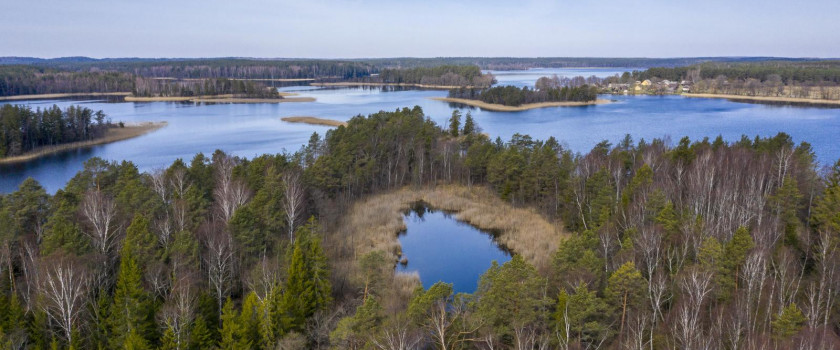
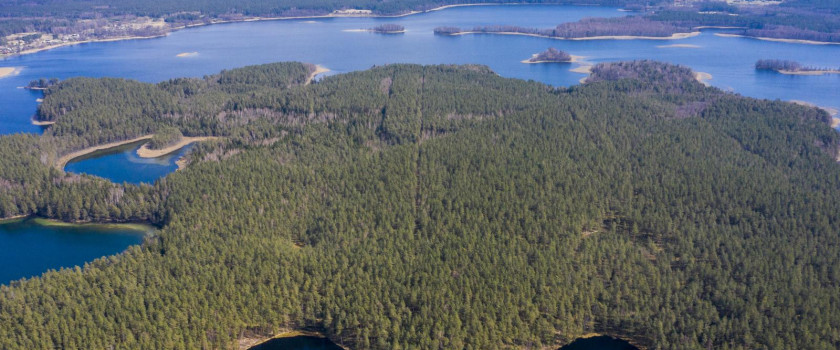
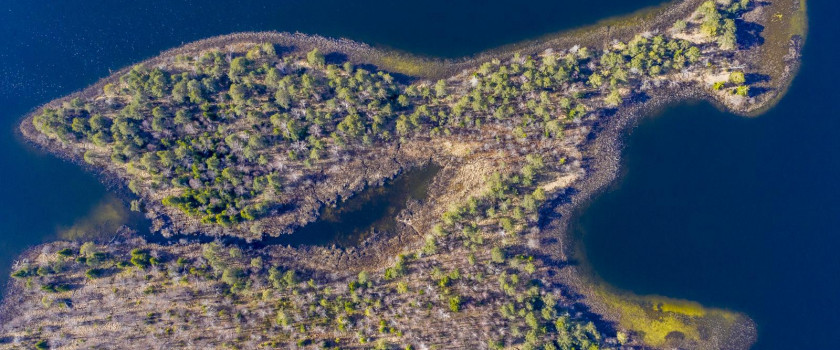
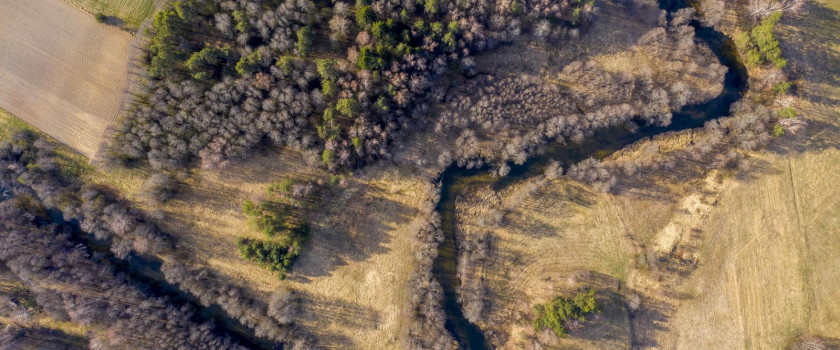
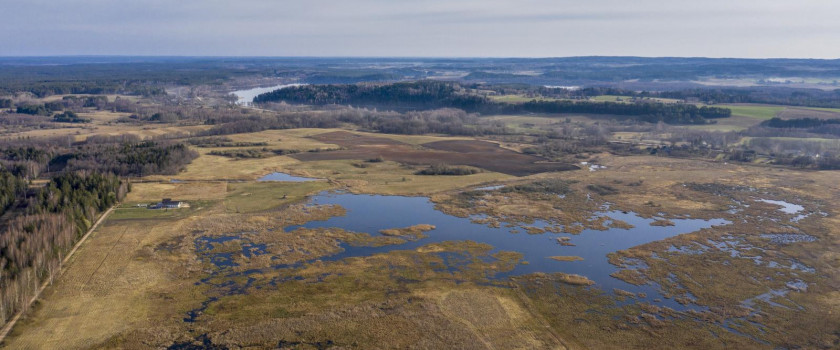
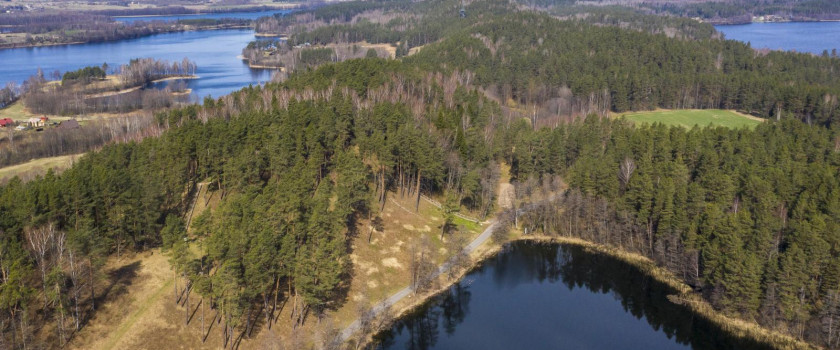
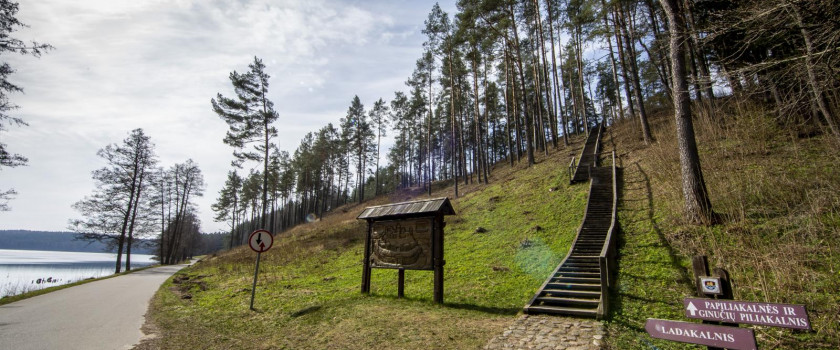
Aukštaitija National Park is distinguished by its unique hilly, lake-rich and barely cultivated Aukštaičiai Upland landscape with the chains of lakes situated in tunnel valleys and interconnected with junctions. The unique sites of the national park: the distinctive and unique in Lithuania Šiliniškės ridge surrounded from all sides by nine lakes in total, and its legendary Ladakalnis hill; the deepest in Lithuania Tauragnas Lake (62,5 m); the only one in the country Baluošas Lake with a lakelet in one of its many islands (Ilgasalė); Laumakėliai lakelets having different colours of their “eyes” and the unpredictible Tauragna Stream which sometimes comes to the surface, and sometimes hides under the dry riverbed; the Pliaušė Stream rushing to the Almajas lake; the riverines of Švogina and Juodupė winding in the forest; the unique peninsulas- horns of the lakes; and the white lake chalk occurring at the Baluošas lake environs. Žeimena – one of the most beautiful Lithuanian rivers, has its sources in the park. The particular biological diversity can been observed at the Ažvinčiai ancient woods and the Minčia forest, which has long been unaffected by human activity; the Baltys Lake, demonstrating water level fluctuation patterns; the distinctive Ginučiai Oak Forest; the Žeimena River valley with oxbow lakes full of vitality, and the Kretuonykštis, Kriogžlys, Pagilūtė wetlands. The park is rich with rare plant and fungi species, and birds, mammals and insects of the European Community importance. The visitors can not only admire the wild orchids, but also see a wolf, lynx or hear the Ural owl hoot. The architectural celebrity of the Aukštaitija National Park – the wooden Palūšė Church with the belfry is pictured not only on the logo of the national park but also on the 1 Litas banknote of the old Lithuanian currency. The park is rich with large diversity of traditional ethno-graphic villages. The features characteristic to linear settlements, scattered settlements, and villages consisting of individual homesteads help to trace back the development of Lithuanian villages in a course of several hundred years. Among the eldest are the Papiliakalnė, Ginučiai castle mound, the grave fields from the Stone and Brass Ages, and 5th-11th c. V-XI barrow fields making up the largest ancient settlement complexes in Lithuania.
Landscape
The Aukštaitija National Park is situated in the territory between the Baltic upland strip lake complexes and the northern Nalšia (Švenčionys) upland strip hills. The structure of the national park is one of the most complex ones compared to other state parks. The park is characterised by the exclusiveness and abundance of the natural and cultural heritage sites, and especially large recreational and educational tourist as well as ethno-cultural potential. Aukštaitija National Park is classified under the top category from the perspective of the exceptional value of the landscape.
The major landscape types found in the park: forested hilly glacial-type lakes (tunnel valley systems), groups of small lakes, laky swampy waterholes, shallow forested terraced valleys, forested glacio-fluvial terraces, forested undulating elevations, forested morainic hilly massifs and ridges, and agrarian morainic hilly massifs.
Biological diversity
These are the territories of European Community importance (code, title) found in the park: 3140 Hard oligo-mesotrophic waters with benthic vegetation, 3150 Natural eutrophic lakes with Magnopotamion or Hydrocharition – type vegetation, 3160 Natural dystrophic lakes and ponds, 6410 Molinia meadows on calcareous, peaty or clayeysilt-laden soils (Molinion caeruleae), 7110 Active raised bogs, 7140 Transition mires and quaking bogs, 7160 Fennoscandian mineral-rich springs and springfens, 7210 Calcareous fens with Cladium mariscus and species of the Caricion davallianae, 7230 Alkaline fens, 9010 Western Taïga, 9050 Fennoscandian herb-rich forests with Picea abies, 9080 Fennoscandian deciduous swamp woods, 91D0 Bog woodland.
The total number of plant species is 992, of these 96 are included in Lithuania’s Red Data Book. The total number of animal species is 2, 961. Mammals – 54, of these 18 are protected by the European Community, and 14 are included into the Lithuania’s Red Data Book. Birds – 243, of these 68 are protected by the European Community, and 70 are included into the Lithuania’s Red Data Book. Fishes – 41, of these 3 are included into the Lithuania’s Red Data Book. Amphibians and reptiles – 17, of these 8 are protected by the European Community, and 4 are included into the Lithuania’s Red Data Book. Invertebrates – 2,606, of these 14 are protected by the European Community, and 39 are included into the Lithuania’s Red Data Book.
Reserves
The following zones have been established in the Aukštaitija National Park to protect its natural and cultural heritage values: 2 strict nature reserves and 28 reserves (7 landscape, 1 geomorphological, 7 hydrographical, 4 botanical-zoological, 5 telmological, 2 cultural, and 1 urban).
The strict nature reserves in the national park have been established to protect the following: the Ažvinčiai (Gervėčiai) ancient woods – the typical example of an East Lithuanian ancient woods with communities typical of this region; rare plant and animal species; Baltys – the typical thermokarst lake waterhole with the hydrological and biocenose complex of a high scientific value; rare plant and animal species and the remains of the ancient woods.
The landscape reserves have been established to protect: Baluošas – an especially picturesque thermokarst lake and forests‘ landscape complex characteristic to the Aukštaitija region with the unique Baluošas Lake; the ethnographic lake-side villages, and rare hydrographical and biotic elements; Benediktavas – an especially distinctive complex of Aukštaitija‘s hilly forested agrarian landscape; the richly planted Benediktavas village of high ethnographic value; and the archeological values; Kiauna – the natural hydrographic structure of the Kiauna River mid-section with the river-side villages of Stirninė, Vasiuliškės and Žvirbliškės typical to Aukstaitija‘s region; Kretuonas – the unique natural and cultural complex of high ecological importance with the archaeological findings of the national importance and ethnographically valuable village of Kretuonys; Šiliniškės – one of the most distinctive complexes of lake-rich tunnel valleys in Lithuania; the unique inter-lake Šiliniškiai ridge, Ginučiai oak forest, other natural and archeological values; Tauragnas – the picturesque tunnel valley of the deepest in Lithuania Tauragnas Lake; the unique valley of Tauragna Stream which dries off seasonally, the geomorphologically valuable Šeimatis morenic complex; the structures of the Taurapilis and Daunoriai agrarian landscape typical of the Aukštaitija hill massif; one of the best known in the country Taurapilis archeological complex; and other values of the natural and cultural heritage; Utenas – the natural complex of a large tunnel valley complex with many lakes and forests typical to the Aukstaitija‘s region, with an abundance of archeological and biotic values.
The Petriškė Geomorphological Reserve has been established to protect the unique Petriškė erosional plateau.
The hydrographical reserves have been established to protect: Asalnai – the Asalnai and Dringykščai Lakes, the bays and lakeshore areas at the southwestern end of Dringis Lake; especially beautiful hydrographical complex of bays and junction canals, and the rare plant and animal habitats found around the lakeshore; Būka – the unique structure of the Būka River bed with the typical river biotic communities; Juodupė – the complex of a natural forest stream Juodupė and the wetlands of its upper reaches; Labažė – the Labažė lakelet and the natural Labažė Stream that flows out of it and the forested sub-valley with the biocenoses typical of such small valleys; Pliaušė – the natural complex of the Pliaušė Stream and small lakes with the growing sites of rare plant species and Black Grouse breeding grounds; Švogina – the beautiful structure of the Švogina River, its forested valley with natural grasslands and rare plant species; Žeimenys – the structure one of the most distinctive tunnel valley intersections in Lithuania with islands and peninsulas and wintering areas of rare bird species.
The botanical-zoological reserves have been established to protect: Ažvinčiai Forest – the biocenoses typical to the Aukstaititja‘s region with the habitats of rare and semi-rare plant and animal species; Minčiagirė – the Minčia Stream forest biocenoses with the habitats of rare plant and animal species; Knyčia – the national park’s largest raised bog; the natural Knyčia stream and its surroundings with rare plant and animal species; Žeimena – the scenic Žeimena River valley, habitats of rare plant and animal species in the river, its flooded grasslands and sub-valley forests.
The telmological reserves have been established to protect: Kriogžlys – forested inter-lake wetland, typical of eastern Lithuania, that is known for its rare flora, the Capercaille and other rare bird species, with the eutrophic Kriogžlys Lake; Kretuonykštis – one of the largest lake swamp complexes in eastern Lithuania that is of great ornithological value, also featuring archeological artifacts; Pagilūtė – the Pagilūtis swamplands, as the most complex wetland ecosystem in the national park, distinguished for its rare plant species and its ornithological value; Siūriai – the unique forested, swampy lakeshore and riverbank complex, a typical example of a natural swampy stream and the particularly distinctive structure of the Dringis lakeside; Vilkaraistis – one of the largest lakeshore mire complexes in eastern Lithuania with habitats of rare plant and animal species.
The cultural reserves have been established to protect: Salos – the typical Aukštaitija region lakeshore village; Varniškės – the typical Aukštaitija region forest village.
The Rėkučiai Archaeological Reserve protects one of the largest historical defensive embankments in Lithuania, and the Rėkučiai and Paversmis barrow archaeological complex.
The Kaltanėnai Urban Reserve was established to protect the historical development of the Kaltanėnai town planning and spatial structure with its central rectangular-shaped town-square, the manor site, as well as other architectural and memorial values.
Heritage objects
There are 16 state protected natural heritage objects in the Aukštaitija National Park. The most important of them are the following natural monuments: Ladakalnis, Baluošas Lake island, Dringis horn, the Goat horns, the stones Mokas and Mokiukas, the lakelets (the blue and green eyes of the godess Laumė), the Asalnai Pine Tree, the Labakaršis Pine Tree. The national park contains 150 cultural heritage objects, 20 of these are cultural monuments.
Visited objects
For visitors
Product brand
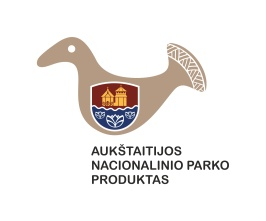
Protected areas attract visitors with their natural and cultural values. Often, when visiting a national or regional park, they want to take out a souvenir or just a good memory. In order to draw visitor‘s attention to the products and services produced by the local population, a product label for Protected areas has been created. A stylized ethnographic bird was chosen as a brand for Protected Areas.
The product label of Protected areas helps to recognize that the product is organic, authentic, produced by the local people, without harming the environment and wildlife, and favorable to human health.
The holder of the mark will primarily be the person who resides or operates in the protected area and does not violate protected values through his activities. The aim is to stimulate the local economy, facilitate the living in protected areas, and promote partnership between the local people and the management of protected area.
The list of products and services offered by protected areas can be various: honey, herbal tea, jams, accommodation, catering, guide services, traditional handicrafts, etc.
The product label of protected areas is one of the measures to promote sustainable tourism. It is intended for local producers, craftsmen, tourism service providers and other local residents, who contribute to the sustainable development of tourism in Lithuanian protected areas through their activities.
The product mark symbol (bird) of Protected areas is common to all protected areas of Lithuania, only the names of parks differ. There are 5 national and 30 regional parks in Lithuania.
So, when traveling through Aukštaitija National Park, don't forget to buy braided ribbons, handmade fishing lures by local craftsmen, or herbal tea collected in the meadows.
The Protected Areas product label aims to encourage local people to engage in nature-friendly activities and park visitors- to purchase exclusive, authentic, ecological products.
 Handmade products
Fishing lures
Rasa ribbons
 Services
Recreation center "Imeda"
Eco hiking
The art of sauna
Rest House "Tiki Inn"
Asalnai campsite
Homestead "Fisherman's Shore"
Žeimena kayaks
Homestead "Trainiškis house"
Homestead "By Ladakalnis"
Kayak base
Šakarva boathouse
Palūšės Camping***
Aukštaitija bicycle
Homestead "Ievalaukis"
Homestead "Alksnas Charm"
LitWild
Trainiškis.lt
Baidarių uostas
Homestead "Gervinė"
Homestead "Ginučių baidarkiemis (Kayak Yard)"
Palūšė boathouse bar
Daunorių krašto bendruomenė „Ažu Tauragną“
Gaveikėnų vandens malūnas
Tiki Tours
Stovyklavietė „Salos“
„Krivasalis“
Kirdeikių krašto bendruomenė
„Sakminė“
 Food products
Smagurauskai honey
Valdas Gaidelis' fish soup and smoked fish
Jūratė Nature Laboratory
The Pirates of Palūšė
„Gėrio ūkio“ produktai
VISITORS ARE PERMITTED TO:
- rest only on sites clearly marked as recreation areas or rest areas;
- camp (put up tents) only in equipped campsites;
- make fires only in designated fire pits.
WE KINDLY ASK YOU TO:
- protect the environment, our natural and cultural values, and conserve natural resources. Please refrain from cutting down trees or bushes, collecting rare plants, destroying anthills or bird nests. Please do not scare nesting birds, disturb animals, or change their environment in any way;
- report any observed cases of the destruction of our natural and/or cultural values, or other violations, to the police, the State Environmental Protection Agency, or to the Aukštaitija National Park Directorate;
- be cautious with fire – supervise bonfires, and do not leave one unextinguished;
- upon noticing a fire, take all possible measures to extinguish it, but if this is not possible, immediately notify the local fire department or Park Directorate;
- refrain from littering on roadsides, lakesides and other areas. Please leave recreation areas or campsites tidy, and sort rubbish using the instructions provided, if available;
- comply with the requirements for driving and parking in forests and by lakes. Please park vehicles in designated areas and on roadsides, provided that this does not impede traffic, there are no prohibitory signs, the rights of other persons are not violated, and the environment is not harmed;
- protect infrastructure for visitors, and to report to the police or Park Directorate if you see people destroying property;
- follow the rules for boating in bodies of water;
- when picking berries, mushrooms, or fishing, please follow the rules provided for the use of small forest resources, amateur fishing and fish protection;
- not to violate the rights and interests of other visitors or local residents. Please respect others’ privacy; refrain from playing loud music, or otherwise disturbing or endangering the safety of other persons;
- if you have any questions, please contact the Park Directorate.
VISITORS ARE STRICTLY PROHIBITED FROM:
- visiting the following types of nature reserves from April 1st to September 1st each year, except for public roads and cultivated fields: thelmological (protected swamps), teriological (endangered bat reserves), herpetological (protected amphibian reserves), entomological (protected insect reserves), ornithological (protected bird reserves);
- allowing dogs to run off leash, bathing them in public bodies of water or other public areas;
- burying rubbish and other waste;
- burning dry grass, reeds, fallen leaves, or household rubbish;
- destroying or damaging slopes, or otherwise promoting erosion of the earth's terrain;
- installing swings or other recreational/sports equipment.
Šiliniškės ridge, Ladakalnis hill
Lake Tauragnas
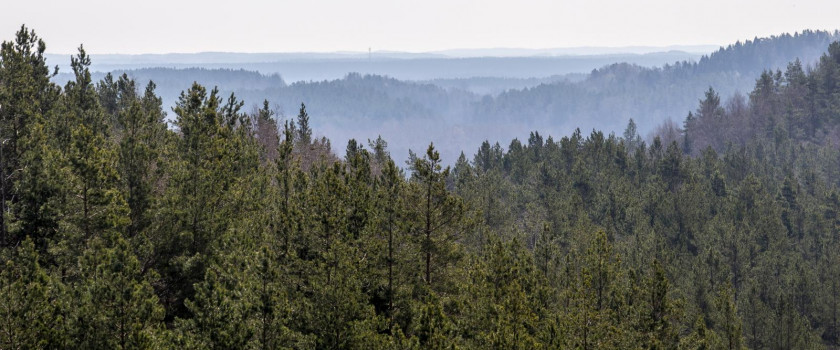
Ažvinčiai Ancient Woods
Lake Baluošas and its island Ilgasalė
Lake Dringis and its Horns
Stripeikiai Beekeeping Museum
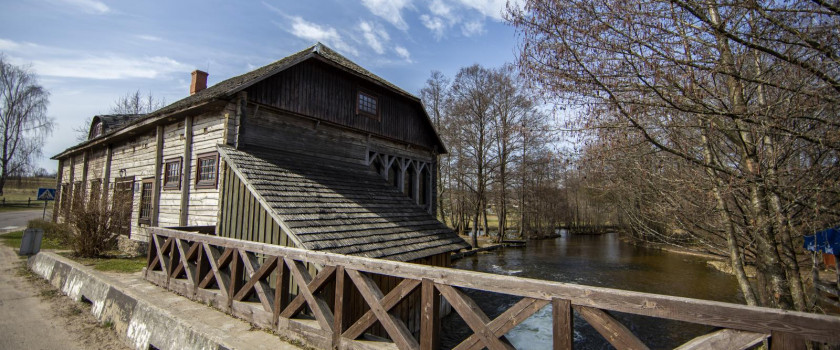
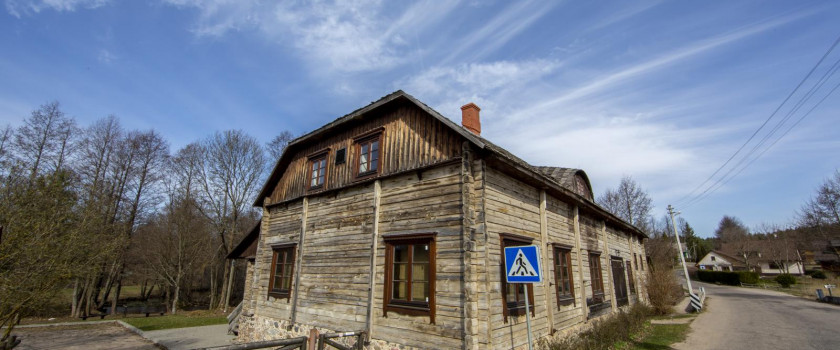
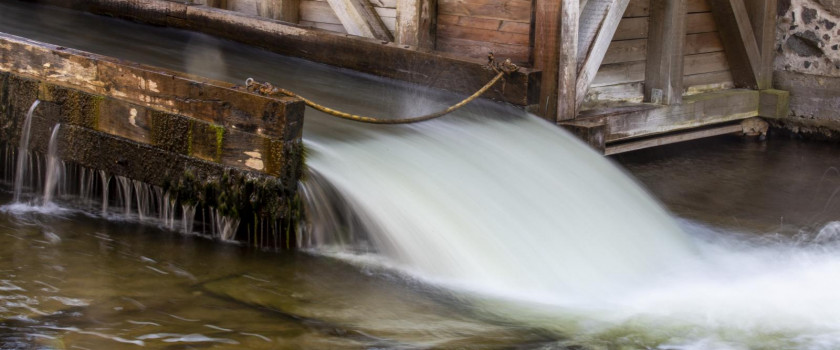
Ginučiai Water Mill
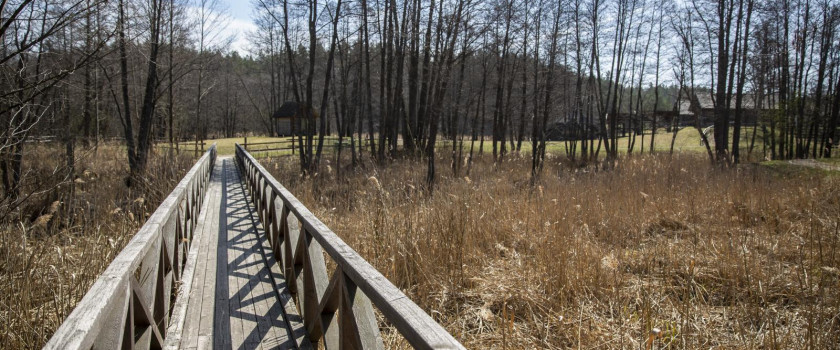
Vaišnoriškė Village
Palūšė Church

.jpg)
 Nature Heritage Site
 Visitor centre
 Cultural heritage object
 Museum, Exposition
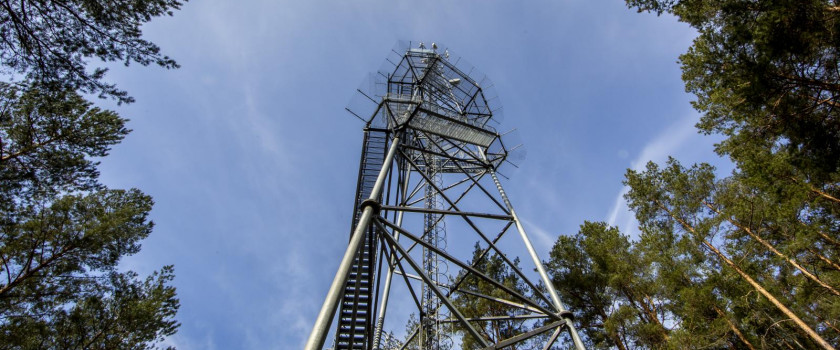
 View Tower
 Other path, route
 Campsite
 Holiday resort
 View Place
 Bird observation site
 Handmade products
 Services
 Food products
 Visitor centre
 Museum, Exposition
 View Tower
 Other path, route
 Campsite
 Holiday resort
 View Place
 Bird observation site

 Geological
 Geomorphologic
 Hydrogeological
 Hydrographic
 Botanical
 Zoological
 Nature school
 Visitor centre
 Nature Heritage Site
 Cultural heritage object
 Handmade products
 Services
 Food products

